10 Most Beautiful Lakes in Texas Worth the Drive
What good is a beautiful lake photo if you arrive to find a closed boat ramp, a rocky shoreline your kids can’t comfortably enter, or a campsite nowhere near the water? The most beautiful lakes in Texas are worth the drive when their scenery matches what you want to do.
Texas has much more than dusty plains. Caddo offers moss-draped cypress bayous, Inks Lake pairs swimming with exposed rock, and Possum Kingdom frames blue water with rugged limestone. But these sights call for different trips, different equipment, and different expectations.
Pick your main activity before you pick your lake. Paddlers need a workable launch and a manageable return route. Families need confirmed swimming access, not merely a waterfront picnic area. Anglers need current regulations and usable shoreline or ramps, while campers should look closely at shade, terrain, and the walk from their site to the water.
These destinations also include both lakes and the state parks that provide access to them. A park reservation doesn’t give you access to every shoreline, marina, or attraction around the reservoir.
Fees, drive times, and rules depend on your departure point and exact entrance, so check those details rather than relying on a lake-wide estimate. Start with the activity that makes the trip worthwhile, then choose the scenery around it.
Table of Contents
- 1. Caddo Lake State Park
- 2. Lake Travis
- 3. Inks Lake State Park
- 4. Lake Texoma
- 5. Somerville Lake State Park
- 6. Possum Kingdom State Park
- 7. Lake Mineral Wells State Park and Trailway
- 8. Lake Brownwood State Park
- 9. Lake Whitney State Park
- 10. Lake Livingston State Park
- 10 Beautiful Lakes in Texas at a Glance
- Pick Your Lake and Plan the Trip Right
1. Caddo Lake State Park
Best for paddling and wildlife watching, Caddo feels different from the open reservoirs elsewhere on this list. Cypress trunks rise from dark water, Spanish moss hangs over the channels, and the shoreline often disappears into flooded woodland.
The bayou setting is the reason to choose this trip.
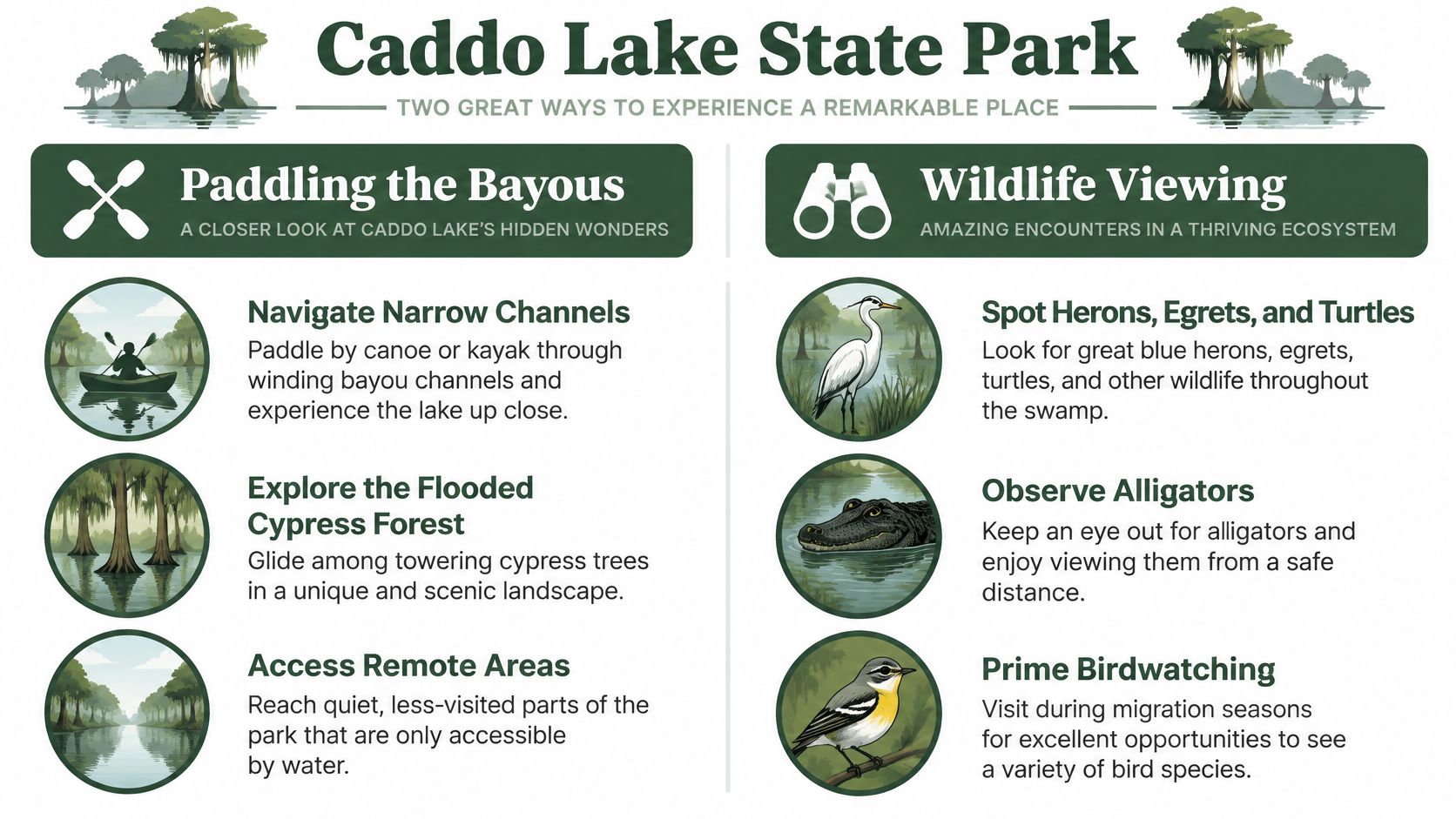
Texas Parks and Wildlife Department’s aquatic-science guide identifies Caddo as Texas’s only naturally formed lake, although modern controls now regulate its water level. That natural origin helps explain why exploring here feels so different from cruising a broad, dammed river valley.
Plan around the paddle
For a first visit, choose a guided outing or a clearly mapped route rather than wandering into every inviting side channel. Save an offline map, keep your phone in a dry bag, and wear your life jacket throughout the paddle.
- Rentals and launches: Confirm availability, return arrangements, and launch conditions before setting out.
- Comfort: Bring insect repellent, sun protection, drinking water, and clothing that handles humidity.
- Overnight plans: Use this Caddo Lake camping guide to compare camping considerations before checking official availability.
A sensible weekend pairs a paddle with a relaxed camp evening rather than trying to cover the entire lake. Confirm entrance fees, pet restrictions, and current park alerts before departure.
For another look at the destination, watch the video below.
2. Lake Travis
Choose Lake Travis when boating and Hill Country scenery matter more than a quiet woodland escape. Limestone shorelines, open water, and coves make it an appealing Austin-area outing, but a successful visit starts with choosing your access point.
The rocky shoreline is part of the appeal and part of the planning challenge.
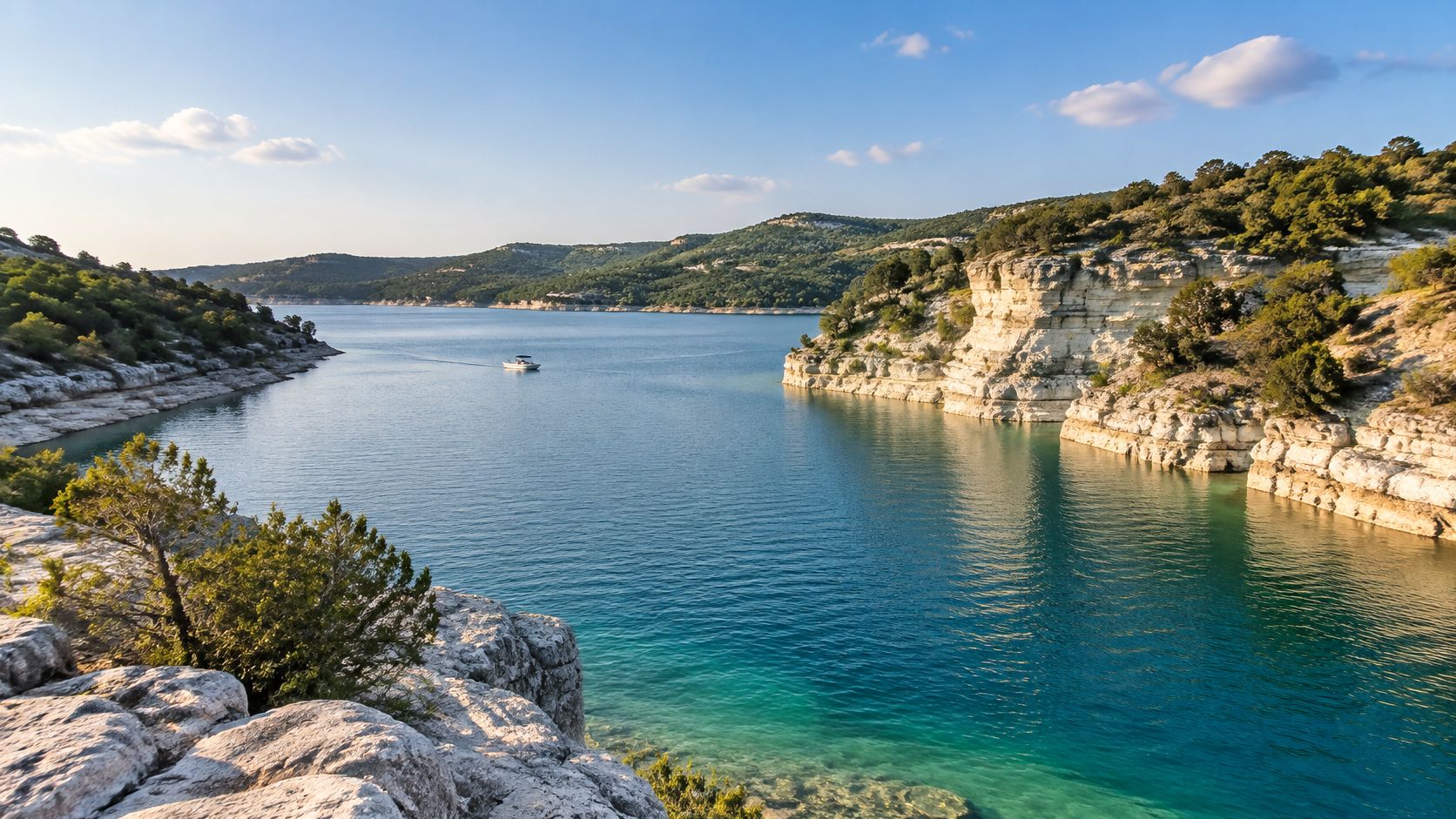
A TPWD Lake Travis fisheries survey describes the reservoir as approximately 18,622 acres, built for purposes that include flood control and water supply. Recreation shares the lake with those operational needs, so don’t assume the shoreline will match an old photograph.
Choose the launch before the itinerary
Say you’re renting a pontoon for a family outing. Confirm where you collect it, where you can legally land, what the operator requires, and whether changing lake levels affect the departure point.
Swimming from a designated shoreline area is a different plan from swimming off a boat. Verify the rules for the specific park or rental operation, and pack water shoes for rocky entries.
Practical rule: An open lake doesn’t guarantee an open ramp, a usable beach, or a safe place to anchor.
Arrive early on busy weekends and allow time for parking, unloading, and orientation. Compare the broader options in this guide to Texas boating lakes, then check the managing agency’s current fees and alerts for your chosen entrance.
3. Inks Lake State Park
For a trip built around swimming, rock scenery, and camping, Inks Lake is a strong starting point. Its exposed rock gives the shoreline character, while the park setting makes it practical to combine water time with a walk and a campsite evening.
Devil’s Waterhole is the familiar draw, but don’t make jumping from rocks the purpose of the visit. Water depth, submerged obstacles, footing, and posted restrictions matter more than what another visitor is doing.
Make swimming the main event
A workable family plan is to arrive prepared to swim, establish a comfortable shore base, and leave hiking for when everyone has cooled down. Keep the outing flexible enough to switch to a picnic or walk if swimming access changes.
- Footwear: Pack secure water shoes for rough approaches and slippery transitions.
- Swimming gear: Bring properly fitted life jackets and keep children within active adult supervision.
- Reservations: Confirm day-use entry and campsite availability separately.
- Rules: Check the official park information for current swimming access and restrictions around rock features.
A lake that looks clear isn’t automatically suitable for contact recreation. The Texas Commission on Environmental Quality evaluates recreational uses through water-quality standards and monitoring, so current notices matter more than appearance.
For campers, prioritize the site’s shade, surface, and walking route to the water rather than selecting solely from a scenic image. A beautiful shoreline doesn’t help much if carrying your swim gear there becomes the hardest part of the day.
4. Lake Texoma
Fishing comes first at Lake Texoma, especially if striped bass are the reason you’re traveling. The wooded shoreline and broad water also suit a cabin or camping weekend, but anglers have a clearer reason to choose Texoma over a lake selected only for swimming.
In its account of Texas freshwater fishing, TPWD values Lake Texoma’s striped-bass fishery at roughly $47 million annually. That’s a lake-specific fishing distinction, not a promise that every outing produces a catch.
Hire a guide for local knowledge and boat handling, not for a guaranteed fish.
For a first fishing trip, discuss your group’s experience, preferred style of fishing, and weather flexibility before booking. Ask what equipment is included, where you’ll meet, and which licenses or permits apply to the planned water.
Treat the border as a planning detail
Texoma lies along the Texas-Oklahoma border, so don’t assume your usual fishing arrangements cover every situation. Review current lake-specific regulations rather than guessing from the nearest shoreline.
Wind is another deciding factor on open water. Check the marine forecast, agree on cancellation arrangements with a guide or rental operator, and keep a shore-based alternative available.
A mixed-interest group can build the weekend around an early fishing outing followed by a picnic or campsite afternoon. Book the exact park, cabin, or campground you want, then verify its entrance charges, boat access, and pet policy rather than treating the whole lake as a single destination.
5. Somerville Lake State Park
A family that wants camping with options should look closely at Somerville. Wooded shoreline, coves, and trails make it suitable for a weekend where not everyone wants to spend the entire day on the water.
The important decision is which park unit to book. Birch Creek and Nails Creek aren’t interchangeable entrances, and choosing the wrong unit can complicate an otherwise simple trip.
Book the unit that fits your group
Start with the activity your group is least willing to compromise on. If that’s camping near the water, inspect the campground map; if it’s trail riding, confirm the relevant trail access and current conditions before reserving.
- For campers: Check shade, campsite surface, restroom location, and the actual route to the shoreline.
- For cyclists: Confirm which trails permit bikes and whether wet-weather restrictions affect your route.
- For paddlers: Identify a legal, usable launch and a sheltered alternative if wind makes open water uncomfortable.
- For dog owners: Check leash requirements and restrictions around swimming or other shared-use areas.
Say your group includes children who want to fish and adults who want a trail outing. Build the weekend around a suitable campsite and separate activity blocks, rather than expecting everyone to carry equipment between distant areas.
Bring repellent and sun protection, and download maps before arrival. Check the chosen unit’s fees, alerts, and available facilities directly, since the lake’s name alone won’t tell you what’s open at your entrance.
6. Possum Kingdom State Park
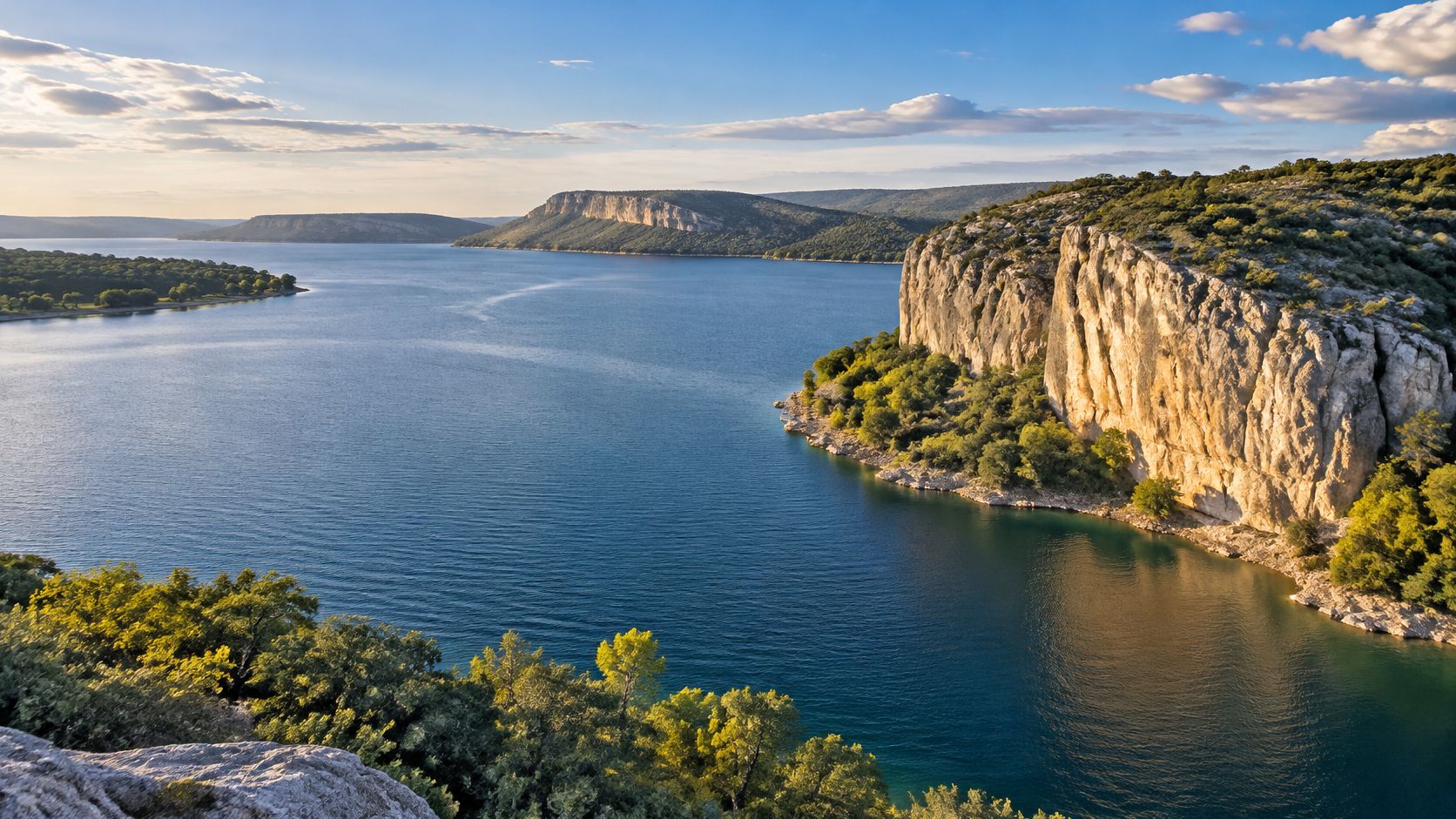
Possum Kingdom earns its place through rugged limestone scenery and blue-water views. It’s a compelling choice for boaters and hikers who want a more dramatic shoreline than a gently sloping reservoir bank.
The scenery doesn’t remove the need to distinguish state park access from other parts of the lake. A campsite at Possum Kingdom State Park isn’t a shortcut to every photographed cliff or cove.
The contrast between rock and water is the main attraction.
Enjoy the cliffs without jumping
Skip cliff jumping. Looking at the water from above won’t reliably reveal depth, submerged shelves, or obstacles, and another person’s jump doesn’t establish that a location is safe or permitted.
For a practical weekend, take a shoreline-view walk before the heat builds, then use an approved swimming area or arrange a boating outing. Sturdy shoes belong in your bag alongside swim gear.
- Boating: Confirm the launch, rental arrangements, operating boundaries, and current conditions.
- Walking: Carry drinking water and stay back from unstable edges.
- Swimming: Use permitted access and check posted restrictions before entering.
- Camping: Review shade and terrain rather than assuming every lake-view site is equally comfortable.
Check the official park page for fees, alerts, and swimming or boating changes. If your real goal is seeing cliff faces from the water, arrange that access first and choose accommodation around it, not the other way around.
7. Lake Mineral Wells State Park and Trailway
Not every lake weekend needs a boat. Lake Mineral Wells suits travelers who want trails first and water second, with a wooded lake setting that works for fishing, walking, and a slower campsite evening.
The Trailway adds another reason to visit, particularly when your group includes cyclists. But a Trailway outing and a lakeside park day need separate route planning.
Separate the trail plan from the lake plan
Say you’re bringing bikes and fishing rods. Ride while temperatures are manageable, return for food and a rest, then fish from an authorized access point rather than hauling everything along the trail.
Check the surface and weather conditions before deciding which bike to bring. Rain can change the practicality of an outing, and a route that looks straightforward on a map may feel different under heat or headwind.
Pack for the activity you’re actually doing: A lakeside campsite doesn’t make a long trail outing self-supported.
Bring a repair kit, a pump, drinking water, and an offline route for cycling. For hiking, use footwear suited to uneven ground rather than treating every path as a casual waterfront stroll.
If you want to use a small boat, confirm permitted craft, launch access, and current restrictions before transporting it. Verify campsite availability, entrance fees, pet rules, and trail alerts through the official park information, then head to the entrance or trailhead that matches your plan.
8. Lake Brownwood State Park
Lake Brownwood is a good fit when camping is the main event and the lake supplies the backdrop. Its wooded areas, shoreline access, and relaxed setting favor a weekend built around meals, fishing, and unhurried time outside.
That’s a different proposition from choosing a lake for nightlife or a full schedule of rentals. Plan to bring what makes the campsite comfortable rather than assuming you’ll fill gaps after arrival.
Build the weekend around camp
A useful family itinerary is simple: settle in, prepare an easy meal, fish when conditions suit, and leave room for a shoreline walk. Don’t make every hour dependent on a boat ramp or swimming access remaining usable.
- Food: Plan meals before departure and pack drinking water separately from cooking supplies.
- Shelter: Bring shade where your campsite setup permits it, and check the site’s exposure before booking.
- Fishing: Confirm current regulations and locate permitted shore access.
- Boat access: Check ramp status before towing a boat to the park.
The campsite map deserves as much attention as the lake photo. A view is appealing, but level ground, a workable tent pad, and convenient facilities may matter more to your group.
Confirm entrance charges, camping availability, and alerts on the official park page. If you’re traveling with a dog, check where it can accompany you, and plan for a shaded place to rest without leaving the animal unattended in a vehicle.
9. Lake Whitney State Park
For a fishing-and-camping weekend in the Brazos River basin, Lake Whitney offers an appealing mix of open water, rolling terrain, and shoreline recreation. It suits groups that want to fish without making every person spend the day aboard a boat.
Your first planning question should be about usable access, not the prettiest campsite photograph. A lake can remain scenic while changing water levels make a particular ramp or shoreline entry inconvenient.
Check access before towing
Before committing to a boating trip, consult a guide to Texas lake levels, then verify the status of your exact launch with its operator. A lake-level reading and an open-ramp notice answer different questions.
- Anglers: Review current species rules, licensing requirements, and permitted fishing locations.
- Boaters: Check wind, launch conditions, parking, and the route back to the ramp.
- Families: Confirm swimming access separately from general waterfront access.
- Campers: Read the site description for shade, slope, and proximity to facilities.
For example, a group with both anglers and swimmers should choose its base around the activity with the strictest access needs. Shore fishing may be workable from one area while a suitable swimming entry requires a separate outing.
Pack sun protection and drinking water even if you expect to stay near camp. Before departure, verify fees, reservations, pet restrictions, and current closures through the official park information so the weekend doesn’t depend on an outdated assumption.
10. Lake Livingston State Park
Wooded camping and fishing are the strongest reasons to choose Lake Livingston State Park. For Houston-area travelers and East Texas visitors, it offers a lake getaway where a campsite meal and a shoreline outing can be enough.
The tree-lined setting is the attraction, not a promise of clear-water swimming. Choose this destination for the experience you can confirm, and treat any additional activity as something to verify.
Make the wooded setting work for you
Warm-weather visitors should pack insect repellent and lightweight clothing that provides coverage. Keep food secured, organize your campsite before dark, and check the ground and drainage before placing a tent.
For a family weekend, plan an easy arrival meal and a fishing outing after everyone has settled in. That’s more realistic than reaching camp late and immediately trying to launch a boat.
- Boat owners: Confirm ramp conditions and permitted access before leaving home.
- Campers: Reserve the site type your equipment needs, not just whatever has a lake view.
- Dog owners: Verify leash rules and where pets are restricted.
- Swimmers: Check current permission, entry points, and advisories rather than assuming shoreline access means swimming access.
Wind still matters on a wooded lake, especially once you leave protected shoreline areas. Paddlers should choose a manageable route with a realistic return rather than judging the whole lake from a sheltered launch.
Confirm entrance fees, holiday availability, and official alerts before departure. Head to the state park entrance, not a generic lake pin that could send you toward another access point.
10 Beautiful Lakes in Texas at a Glance
| Lake | Region | Best For | Standout Feature |
|---|---|---|---|
| Caddo Lake State Park | East Texas | Paddling, birdwatching, photography | Cypress forest and narrow bayous |
| Lake Travis | Central Texas | Boating, swimming, scenic drives | Clear water and limestone bluffs |
| Inks Lake State Park | Texas Hill Country | Swimming, camping, hiking | Pink granite formations and Devil’s Waterhole |
| Lake Texoma | Texas-Oklahoma border | Fishing, boating, camping | Striped bass fishing |
| Somerville Lake State Park | Central Texas | Camping, mountain biking, fishing | Wooded shoreline and quiet coves |
| Possum Kingdom State Park | North Central Texas | Boating, hiking, swimming | Rugged limestone cliffs |
| Lake Mineral Wells State Park and Trailway | North Central Texas | Biking, horseback riding, camping | Trailway for hiking, biking, and horseback riding |
| Lake Brownwood State Park | Central Texas | Fishing, camping, family outings | Relaxed, wooded lakeside setting |
| Lake Whitney State Park | Central Texas | Fishing, boating, camping | Clear water and rolling shoreline |
| Lake Livingston State Park | East Texas | Fishing, camping, day trips from Houston | Wooded shoreline on the Trinity River |
Pick Your Lake and Plan the Trip Right
The best choice among these beautiful lakes in Texas depends on what you want to remember afterward. Choose Caddo for cypress-bayou paddling, Inks Lake for a swimming-focused park trip, or Texoma for striped-bass fishing. Pick Brownwood or Livingston when a comfortable camp and an unhurried weekend matter more than dramatic cliffs.
Don’t try to make every lake deliver the same experience. A scenic paddling channel isn’t necessarily a swimming destination, and a lakeside campground doesn’t guarantee convenient boat access. Choose your main activity, then confirm the exact entrance, facility, and conditions that make it possible.
Verify permission, conditions, and access separately
These are different checks. Swimming may be permitted while conditions make entering the water unwise, and a ramp may exist without being usable during your visit.
- Permission: Review swimming rules, boat restrictions, fishing requirements, and pet policies.
- Conditions: Look for weather warnings, water-quality advisories, storm debris, and changing lake levels.
- Access: Confirm entrances, ramps, beaches, campsites, and any reservation requirements.
Save the relevant information before departure, including the address of your actual entrance. Check alerts again close to leaving, particularly after heavy rain, severe weather, or a prolonged dry period.
Budget for the whole outing
Entrance fees are only part of the cost. Check campsite charges, rental terms, parking arrangements, and what equipment you need to bring; don’t assume a day-use payment includes every activity.
Drive-time estimates also need context. Route to the correct park unit or launch, then allow for traffic, supply stops, and unloading rather than treating the arrival estimate as the moment you’ll be on the water.
Our independent TX State Parks field guide brings together entrance fees, swimming access, pet rules, camping options, and estimated drive times from major cities. We cite official sources for park essentials and show when facts were last checked; drive-time estimates don’t include traffic.
We’re not affiliated with or endorsed by TPWD, so always confirm alerts, closures, and changing rules on the official park page. Make campsite and day-pass reservations through the official Texas State Parks reservation site, not through our guide.
Choose the lake that fits your group, confirm the access that makes the trip worthwhile, and keep a land-based alternative ready. That approach gives you a worthwhile weekend even when conditions don’t match the photograph.
Compare swimming access, camping options, pet rules, fees, and estimated drive times at TX State Parks to narrow down your lake weekend. Follow the cited official park information to confirm current conditions, then book your campsite or day pass through the official reservation site.
Fees, hours and rules change. Check the park's official TPWD page before you go.