10 Natural Wonders of Texas Worth Exploring

Texas’s most memorable natural wonders range from Big Bend National Park, which covers more than 800,000 acres, to Guadalupe Peak, the state’s highest point at approximately 8,749–8,750 feet. The best choice depends on the experience you want, the season you visit, and how prepared you are for the terrain’s access and safety demands.
Texas’s natural wonders aren’t merely scenic stops. The strongest choices pair a distinctive terrain with a clear reason to go, a realistic seasonal strategy, and practical information about access and safety. A summit hike, a spring-fed swim, and a quiet paddle through cypress wetlands each call for different planning.
This guide brings together ten places for ten different kinds of experiences: granite climbs, canyon trails, desert immersion, fall color, wildlife viewing, and water-based escapes. It also weighs the trade-offs. A remote setting may offer solitude but limited cell service; a popular swimming hole may be refreshing but crowded; a famous trail can be exposed and demanding in hot weather.
Before setting out, check the managing agency’s current alerts, reservations, access rules, and weather conditions. Water availability, trail access, pet rules, and facilities can change, and a beautiful destination isn’t automatically a safe one in extreme heat or after heavy rain.
Table of Contents
- 1. Enchanted Rock State Natural Area
- 2. Big Bend Ranch State Park
- 3. Palo Duro Canyon State Park
- 4. Caprock Canyons State Park and Trailway
- 5. Garner State Park and the Frio River Canyon
- 6. Lost Maples State Natural Area
- 7. Hueco Tanks State Park and Historic Site
- 8. Balmorhea State Park and San Solomon Springs
- 9. Caddo Lake State Park
- 10. Monahans Sandhills State Park
- Top 10 Natural Wonders of Texas: Comparison Guide
- Choose Your Texas Wonder Before You Go
1. Enchanted Rock State Natural Area
Enchanted Rock makes the most sense for visitors who want a direct, demanding climb with a broad Hill Country view. The huge pink granite dome rises above the surrounding area, and reaching its summit rewards hikers with an open panorama rather than a shaded forest walk. The exposed rock is part of the experience, but it also means the sun can feel intense, especially in warm weather.
Make the climb early or late in the day during hot months. Wear closed-toe shoes with reliable grip, and carry enough water for the effort. The granite can be slick or uneven underfoot, so sandals and casual footwear that work on a paved path aren’t a good fit here.
Make the summit the main event
A practical day plan is to hike while temperatures are lower, then leave time to enjoy the area without rushing back down in the heat. Campers can turn the outing into an overnight stay, while stargazers can look for public astronomy events when available. If you’re planning around a specific experience, check the park’s current entry arrangements, fees, and pet rules before driving out.
For background on the park’s popularity and visitor planning, see this guide to one of Texas’s most popular state parks.
On the trail: Treat the summit as an exposed hike, not a casual stroll. Start with water, sun protection, and shoes suited to bare granite.
2. Big Bend Ranch State Park
Big Bend Ranch State Park is a better match for travelers who want a remote desert outing than for anyone seeking an easy stop between towns. Its rugged setting includes canyons, volcanic formations, mountains, and broad desert basins. The distances and limited services are part of the draw, but they also demand preparation.
Arrive with fuel, drinking water, and a route plan already in hand. Cell service can be unreliable, so download offline maps and don’t depend on a phone connection for navigation. Backcountry hikers should plan water supplies before leaving, rather than assuming they’ll find dependable water along the way.
Build the trip around the conditions
Experienced visitors may plan a longer route through canyon country or spend the day photographing desert formations in the changing light. Either way, check current road conditions and the rules for the specific area you intend to visit. Park restrictions can differ by location, and remote roads or extreme temperatures can turn an improvised plan into a risky one.
The open terrain also makes this a strong destination for night-sky viewing. Review stargazing ideas for Texas parks, then confirm access conditions and bring the equipment you’ll need without relying on park facilities.
In remote desert country, a route you can explain and supplies you can carry matter more than a last-minute change of plans.
3. Palo Duro Canyon State Park
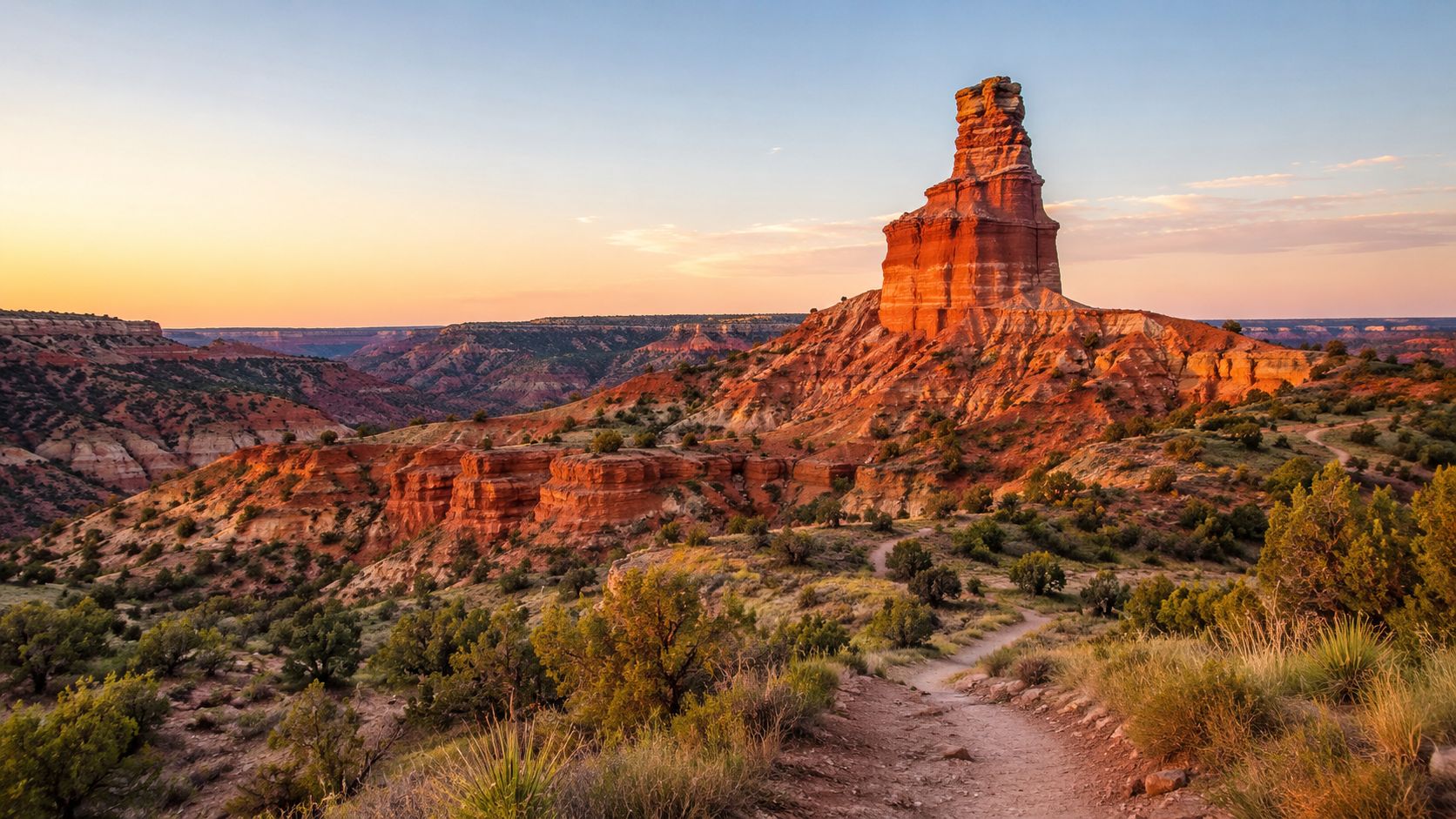
Palo Duro Canyon gives hikers a chance to explore red-rock country on foot, with routes that range from popular destination hikes to quieter walks through canyon terrain. Its scale is striking: the canyon stretches roughly 120 miles, reaches up to about 20 miles wide, and is roughly 800 feet deep in places. These dimensions and the layered terrain are described by Travel Texas’s guide to Panhandle canyons.
The Lighthouse is the best-known destination, but it isn’t the only reason to hike here. Families planning a half-day outing can choose the Lighthouse Trail or Givens Trail, while visitors looking for more variety can compare routes before committing to a distance. Bring sturdy shoes, sun protection, and plenty of water, and start early to avoid the harshest heat.
Pair trails with an evening plan
The outdoor musical TEXAS gives a canyon visit a different rhythm, combining daytime exploration with an evening performance during its seasonal run. Check the current schedule before building a trip around it. Campgrounds and cabins can be in demand around busy weekends and school breaks, so confirm availability well ahead of arrival.
If you’re bringing a dog, verify the current rules for trails and lodging rather than assuming access is the same everywhere. Heat, exposed paths, and the distance between destinations can make a canyon itinerary more demanding than it appears on a map.
4. Caprock Canyons State Park and Trailway
At Caprock Canyons, the main attraction isn’t just the view. Visitors can also look for the Texas State Bison Herd, which roams the park’s grasslands and gives wildlife watchers a compelling reason to slow down. Keep a generous distance, never feed the bison, and don’t approach for a photograph. The animals are wildlife, not a roadside photo opportunity.
The neighboring Trailway follows an old railroad corridor and offers a different way to experience the region. Hikers, cyclists, and equestrians can choose a section suited to their plans, but limited shade makes water and route awareness essential. Bring a map, check trailhead access and current conditions, and be ready for wind.
Choose the pace that fits
For a wildlife-focused visit, spend time watching from a safe distance rather than trying to move closer. For a more active day, plan a Trailway ride between accessible points and leave room for rest stops. Lake Theo can add a water-based option, though wind and current conditions may affect the experience.
The terrain rewards visitors who come prepared to adapt. Don’t count on long stretches of shade, and check current rules before setting out with a pet or planning an activity on the lake.
5. Garner State Park and the Frio River Canyon
Garner State Park is the pick for a Hill Country trip centered on clear water, swimming, and time beside the Frio River. Limestone and cypress make the river setting feel distinct from the open granite and desert scenery elsewhere on this list. Families can swim or tube when conditions allow, then explore the park’s historic Civilian Conservation Corps structures, including its stone dance pavilion.
Summer weekends bring strong demand, so arrive early and check whether parking or camping arrangements need to be secured before departure. River conditions matter more than the calendar: check flow and weather, and avoid tubing if rain is forecast upstream. Wear water shoes to protect your feet on rocky river bottoms.
Keep the water plan flexible
A river visit shouldn’t depend on one activity working out. If water conditions aren’t suitable for tubing, enjoy the park on foot or spend time at the pavilion when an event is scheduled. Confirm pet rules, especially around swimming areas, and don’t assume a dog can accompany every part of the outing.
For river days: Check upstream weather as well as conditions at the park. Rain can change whether tubing is a sensible choice.
6. Lost Maples State Natural Area
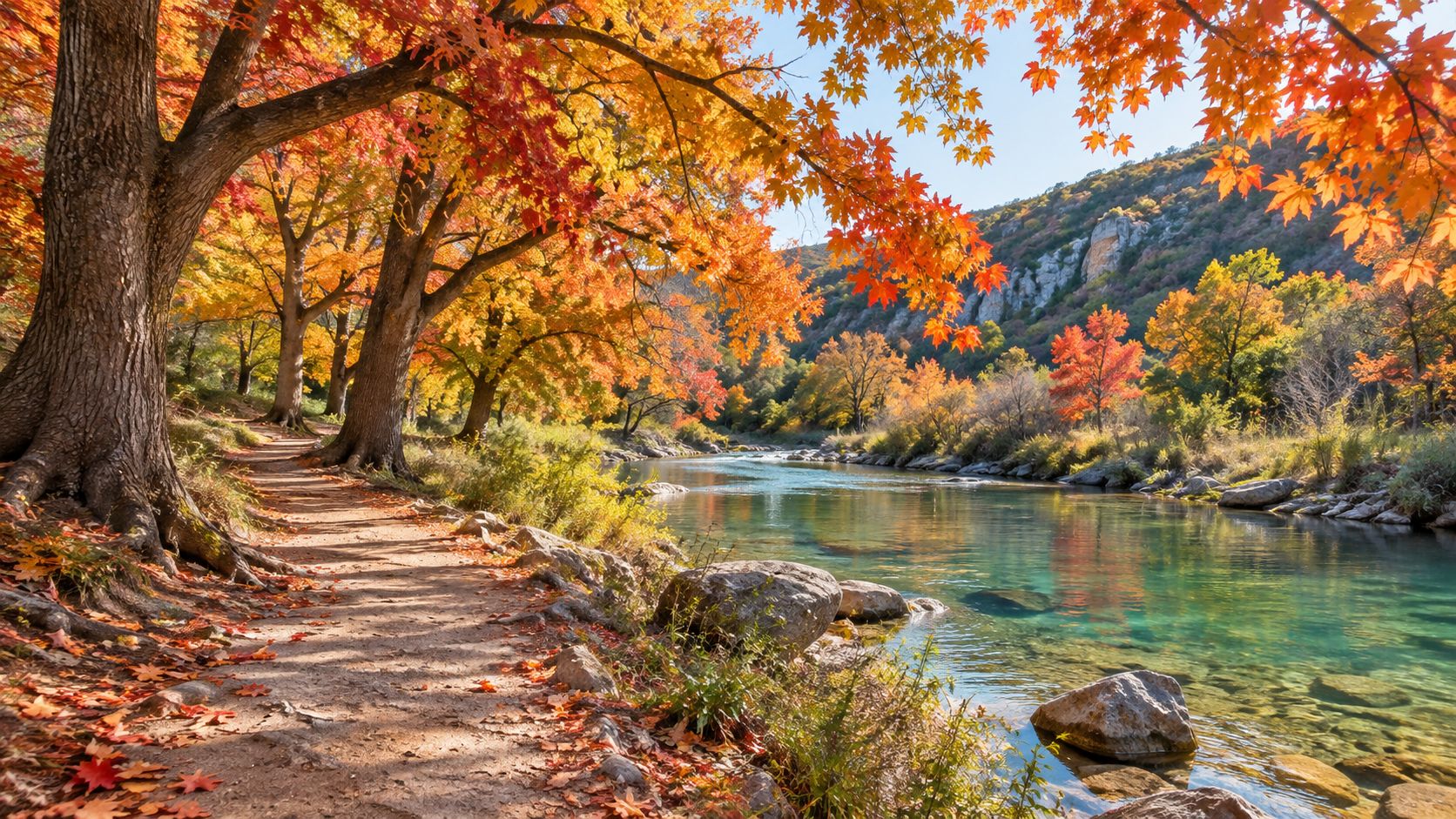
Lost Maples offers something that can be hard to find in a Texas park itinerary: a shaded canyon walk with a chance to see fall color. Bigtooth maples along the Sabinal River turn the area into a seasonal draw, while rocky trails and river scenery make it worth considering outside the peak leaf display too.
For autumn color, plan with flexibility. Foliage timing can vary, so check current updates rather than treating a specific date as a guarantee. A weekday visit can ease crowd pressure during the busy season, and arriving early helps you make the most of limited parking and cooler hiking conditions.
Take the trail, not just the photo
The Maple Trail and a riverside break make a satisfying outing, but some routes are steep and rocky. Sturdy shoes and drinking water are useful even when the weather feels cool. Check entry and reservation requirements before leaving home, particularly if you’re traveling specifically to see the leaves.
7. Hueco Tanks State Park and Historic Site
Hueco Tanks combines desert rock formations with a cultural record that visitors need to treat carefully. Its natural basins collect rainwater, and its rock surfaces preserve Indigenous art and other cultural features. The site also draws climbers for bouldering, but climbing access and access to sensitive cultural areas aren’t interchangeable.
Daily access is limited, so reserve a visit in advance and check which areas require permits or a guide. If viewing rock art is part of your plan, follow the park’s rules closely. Don’t touch the art or climb on marked cultural surfaces; the safest visit is one that protects the place as well as the visitor.
Plan for both heat and access
Bring water and shade protection, and check current pet restrictions before traveling with a dog. Climbers should confirm which areas are open and what arrangements are required rather than assuming they can freely explore the site on arrival.
A guided visit can help visitors understand the terrain while staying within access rules. For a self-directed outing, keep expectations tied to the areas you’re authorized to enter, not just the routes you’ve seen described elsewhere.
8. Balmorhea State Park and San Solomon Springs
Balmorhea is the choice for a desert trip built around a cool-water swim. San Solomon Springs feeds the park’s large swimming pool, creating a striking contrast with the dry West Texas terrain. The pool’s setting and clear water also attract snorkelers and divers, making this more than a quick roadside splash.
Before you go, confirm pool hours, current entry arrangements, and any operating notices. Bring towels, drinking water, and sun protection, even though much of the visit may take place in the water. Follow posted rules around the spring habitat, including restrictions on disturbing vegetation or feeding fish.
Make the swim the anchor, not a guarantee
Water-based plans depend on access and operating conditions, so check current status before committing to a long drive. If the pool is unavailable, don’t assume the surrounding area offers an equivalent swimming alternative. Build in a backup stop or treat Balmorhea as one part of a broader West Texas itinerary.
Pet rules may limit where animals can go, so verify them in advance. The pool is the main reason to visit, and planning around its current availability makes the trip more dependable.
9. Caddo Lake State Park
Caddo Lake’s cypress wetlands offer a quiet-water experience unlike the exposed rock and dry canyons elsewhere in Texas. Spanish moss, winding channels, and swamp habitat make early morning a rewarding time for paddlers and birdwatchers. This terrain is easy to underestimate from shore: once you’re among the waterways, navigation takes attention.
A detailed map or local guide can help you avoid getting turned around. Check current water levels, launch conditions, and boat rental options before arriving, and remember that cell service may be limited. In warm weather, insect repellent and long sleeves can make a paddle more comfortable.
Go with a navigation plan
Visitors who don’t know the channels can book a guided outing instead of relying on guesswork. Birdwatchers should move carefully and leave room for wildlife, while paddlers should keep their route conservative if they’re unfamiliar with the area.
The lake’s history includes the Great Raft, a large log jam that blocked the Red River for centuries; its removal in the nineteenth century helped shape the swamp-and-lake terrain visible today. The setting rewards slow exploration, not a rushed attempt to cover every channel.
A short video of Caddo Lake’s waterways can help set expectations for the scenery, but it’s no substitute for checking current launch and water conditions.
10. Monahans Sandhills State Park
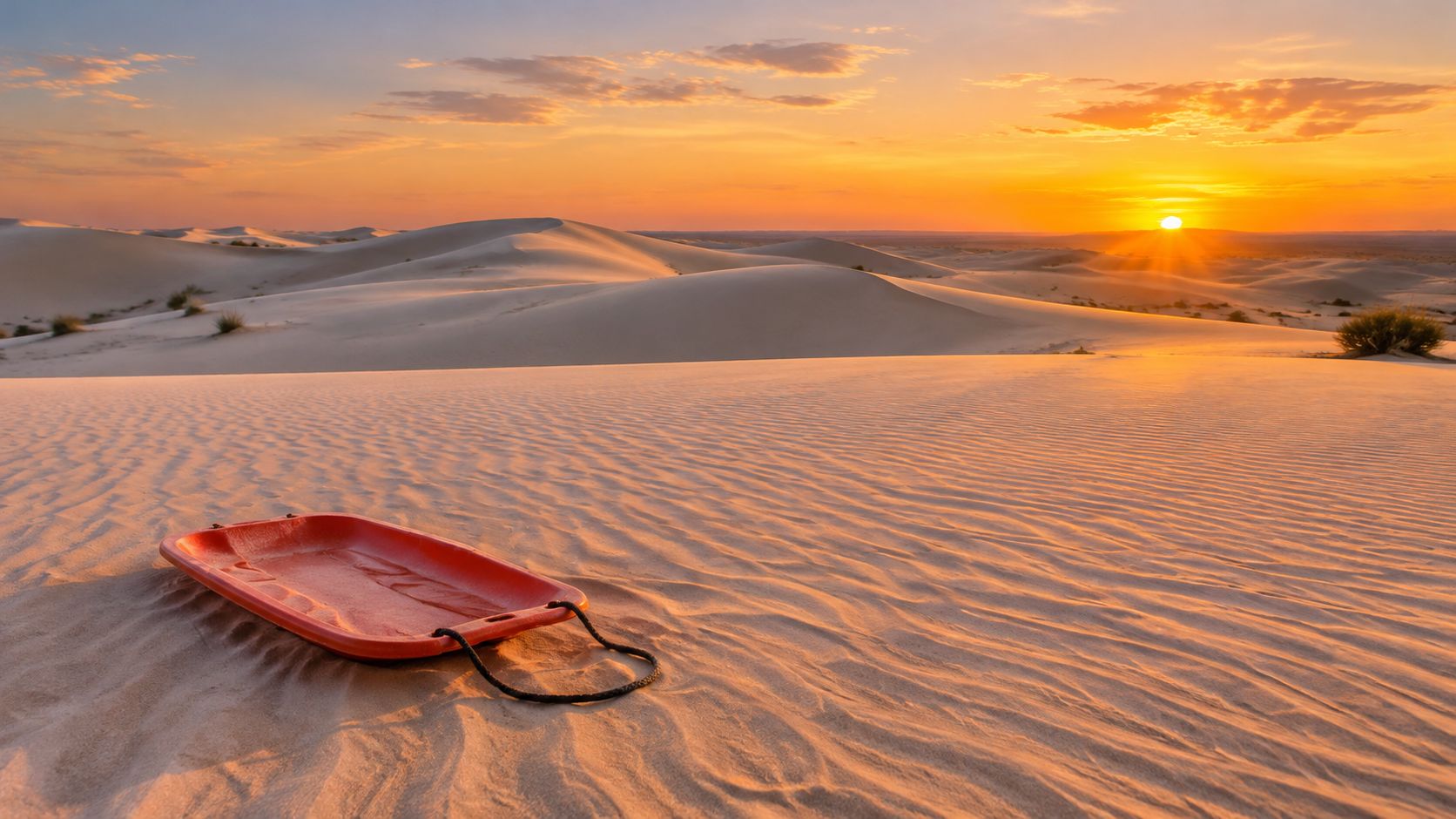
Monahans Sandhills delivers a playful desert outing: walk across rolling dunes, study the changing patterns in the sand, or try sand sledding with a rented or personal sled. The loose, wind-shaped terrain is a different kind of challenge from a marked hiking trail, and the exposed surface can become uncomfortable in strong sun.
Visit in cooler weather or plan for early morning or late afternoon. Carry water, use sunscreen, and protect cameras and other electronics from blowing sand. If you’re bringing a pet, check current rules and remember that hot sand can be hard on paws.
Let the conditions set the pace
Families can make the dunes their main activity, while photographers may prefer low-angle light that brings out ridges and shadow. Sand sledding won’t suit every visitor, and wind can affect both comfort and visibility. Keep the outing flexible, especially if the surface or weather makes a planned activity less appealing.
Top 10 Natural Wonders of Texas: Comparison Guide
| Texas Natural Area | Setting | 📊 Signature Experience | 🔄 Planning & Conditions | 💡 Best For |
|---|---|---|---|---|
| Enchanted Rock State Natural Area | Hill Country, near Fredericksburg | ⭐ Pink granite dome, summit views, and dark-sky stargazing | Steep, exposed climb; arrive early on busy days and bring ample water | Day hikers, campers, and stargazers |
| Big Bend Ranch State Park | Remote Chihuahuan Desert, West Texas | ⭐ Vast canyons, volcanic landscapes, and exceptional solitude | High planning needs: limited services, weak cell coverage, and rough roads | Experienced backcountry travelers and wildlife watchers |
| Palo Duro Canyon State Park | Texas Panhandle, near Amarillo | ⭐ Colorful canyon hikes and the Lighthouse formation | Hot, exposed trails; reserve lodging and check seasonal musical dates | Hikers, families, cyclists, and culture seekers |
| Caprock Canyons State Park and Trailway | Texas Panhandle, near Quitaque | ⭐ Wild bison and a roughly 64-mile rail-trail | Services are limited; carry water and keep a safe distance from bison | Cyclists, wildlife watchers, and hikers |
| Garner State Park and the Frio River Canyon | Hill Country, near Concan | ⭐ Swimming, tubing, and historic CCC architecture | Summer crowds and changing river conditions; check weather and arrive early | Families, swimmers, and casual campers |
| Lost Maples State Natural Area | Hill Country, near Vanderpool | ⭐ Bigtooth maple forests and fall color | Peak foliage periods are crowded; check updates and book ahead | Fall-color seekers, hikers, and photographers |
| Hueco Tanks State Park and Historic Site | Desert near El Paso | ⭐ Rock art, granite formations, and world-class bouldering | Permits and reservations often required; follow cultural-site protections | Climbers and visitors interested in archaeology |
| Balmorhea State Park and San Solomon Springs | West Texas, near Balmorhea | ⭐ Large, clear spring-fed pool for swimming and diving | Remote location; check pool access, hours, and ecosystem rules | Swimmers, snorkelers, and road-trip travelers |
| Caddo Lake State Park | East Texas, near Karnack | ⭐ Cypress swamps, winding waterways, and birdlife | Navigation can be confusing; use a map or guide and prepare for mosquitoes | Paddlers, birdwatchers, and photographers |
| Monahans Sandhills State Park | West Texas, near Monahans | ⭐ Sand dunes, sledding, and golden-hour scenery | Heat, wind, and blowing sand; visit in cooler hours and protect gear | Families, photographers, and dune explorers |
Choose Your Texas Wonder Before You Go
The best natural wonder for your trip depends on what you want to do and what conditions you’re prepared to manage. Choose Enchanted Rock or Palo Duro Canyon for dramatic hiking, but plan for exposed trails, heat, and the need to carry water. Garner State Park and Lost Maples offer Hill Country river scenery and shade, though summer swimming and fall color both depend on conditions that should be checked before you leave.
For a spring-fed swim, make Balmorhea the anchor of your itinerary only after confirming that the pool is open and accessible. Big Bend Ranch, Hueco Tanks, and Monahans Sandhills suit visitors looking for desert scenery, but each has distinct demands: remoteness and navigation at Big Bend Ranch, controlled access and cultural-site respect at Hueco Tanks, and hot, exposed sand at Monahans. Caprock Canyons is the stronger pick for bison viewing and trailway exploration, while Caddo Lake is the better fit for guided paddling, wetland scenery, and birdwatching.
Crowds and logistics can change the feel of a visit. A popular destination may offer established facilities and familiar routes, while a quieter or more remote location may mean fewer services, longer drives, or less reliable cell coverage. Don’t choose a place based on scenery alone. Match the activity to the season, check whether the water or trail access you’re counting on is available, and have a backup plan if weather changes your day.
Before departure, review current TPWD alerts and official park rules. Confirm fees, pet policies, swimming access, camping availability, trail or road conditions, and reservation requirements directly with the managing park. These details can change, and an old trip report isn’t a dependable substitute for current guidance.
For easier comparison while planning, TX State Parks is an independent field guide that brings together practical details such as fees, pet rules, swimming access, camping options, and estimated drive times. It links to official sources and displays when listed facts were last checked. Use it to narrow your options, then verify current alerts and changes on the official TPWD park page before you go.
Use TX State Parks to compare Texas parks by region and activity, check practical details such as camping and swimming access, and estimate drive times from major cities. Start with the kind of terrain you want to explore, then confirm current conditions and rules before heading out.
Fees, hours and rules change. Check the park's official TPWD page before you go.