West Texas State Parks: 9 Best Parks to Visit in 2026
Driving Interstate 10 with one free afternoon, you might be weighing a quick swim at Balmorhea against the long drive and backcountry demands of Big Bend Ranch. Those aren’t interchangeable stops. West Texas parks differ sharply in remoteness, heat, road access, and how far ahead you need to book, so the best choice depends on the trip you have time and energy for.
This guide matches each park to the outing it suits best, with a season verdict and an access constraint that could change your plan. It’s a curated selection from the parks, natural areas, and historic sites grouped into the seven regions used by the Texas Parks and Wildlife Department. TX State Parks currently covers 93 parks and is adding the rest of the system. If you want a fast outdoor stop, a history-focused visit, a desert hike, or a multi-day river trip, start with the option that fits your route and level of preparation.
Table of Contents
- 1. Big Bend Ranch State Park
- 2. Balmorhea State Park
- 3. Davis Mountains State Park
- 4. Hueco Tanks State Park & Historic Site
- 5. Franklin Mountains State Park
- 6. Monahans Sandhills State Park
- 7. Palo Duro Canyon State Park
- 8. Seminole Canyon State Park & Historic Site
- 9. Devils River State Natural Area
- How the nine West Texas state parks compare on best use, timing, and access
- Match Your Park to Your Season, Then Confirm Before You Drive
1. Big Bend Ranch State Park
Best for a backcountry escape: Big Bend Ranch suits travelers who want remote desert country, rough roads, and a trip built around the setting rather than a full-service visitor setup. The park spans Brewster and Presidio counties, with mountain terrain, canyons, mesas, volcanic formations, and the Rio Grande. It is a multi-unit property of several hundred thousand acres, assembled through later state acquisitions that expanded the original ranch.
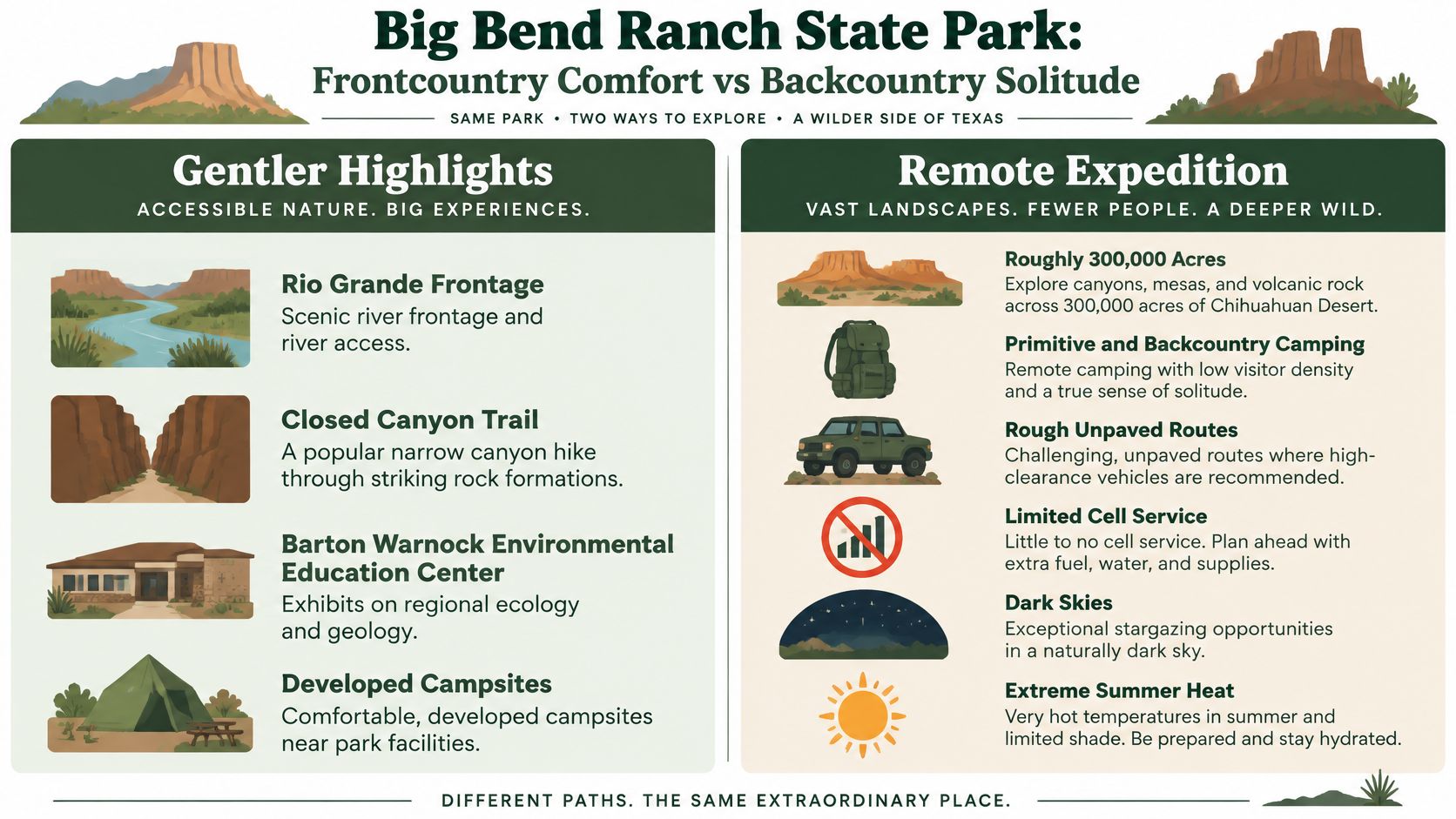
Treat fuel and water as part of the plan, not an errand along the way. Fill the tank before you reach the park, carry more drinking water than the day’s forecast suggests you need, and ask park staff about current road conditions before committing to a backcountry route. Rain can turn an unpaved road that looked easy on a map into one your vehicle cannot safely handle.
Season verdict: Fall through spring is the better window for long hikes and remote exploration. In warm weather, start early and keep plans conservative.
For a first visit, pick a single unit or one manageable drive and hike rather than trying to cross the property in a day. Confirm current fees, camping rules, and pet policies on the official park page before you leave, since conditions and closures can change with weather. Access constraint: remote roads and limited services make fuel, water, vehicle suitability, and road conditions part of the itinerary, not last-minute details.
2. Balmorhea State Park
Best for a swim break on a long drive: Balmorhea turns an otherwise demanding desert route into an easy-to-understand day plan: arrive, swim, rest, and get back on the road. The spring-fed pool is supplied by San Solomon Springs and built around clear, cool water, an appealing contrast to the exposed desert around it. For travelers on Interstate 10, it’s the better fit than Big Bend Ranch if the available time is an afternoon rather than a multi-day backcountry trip.
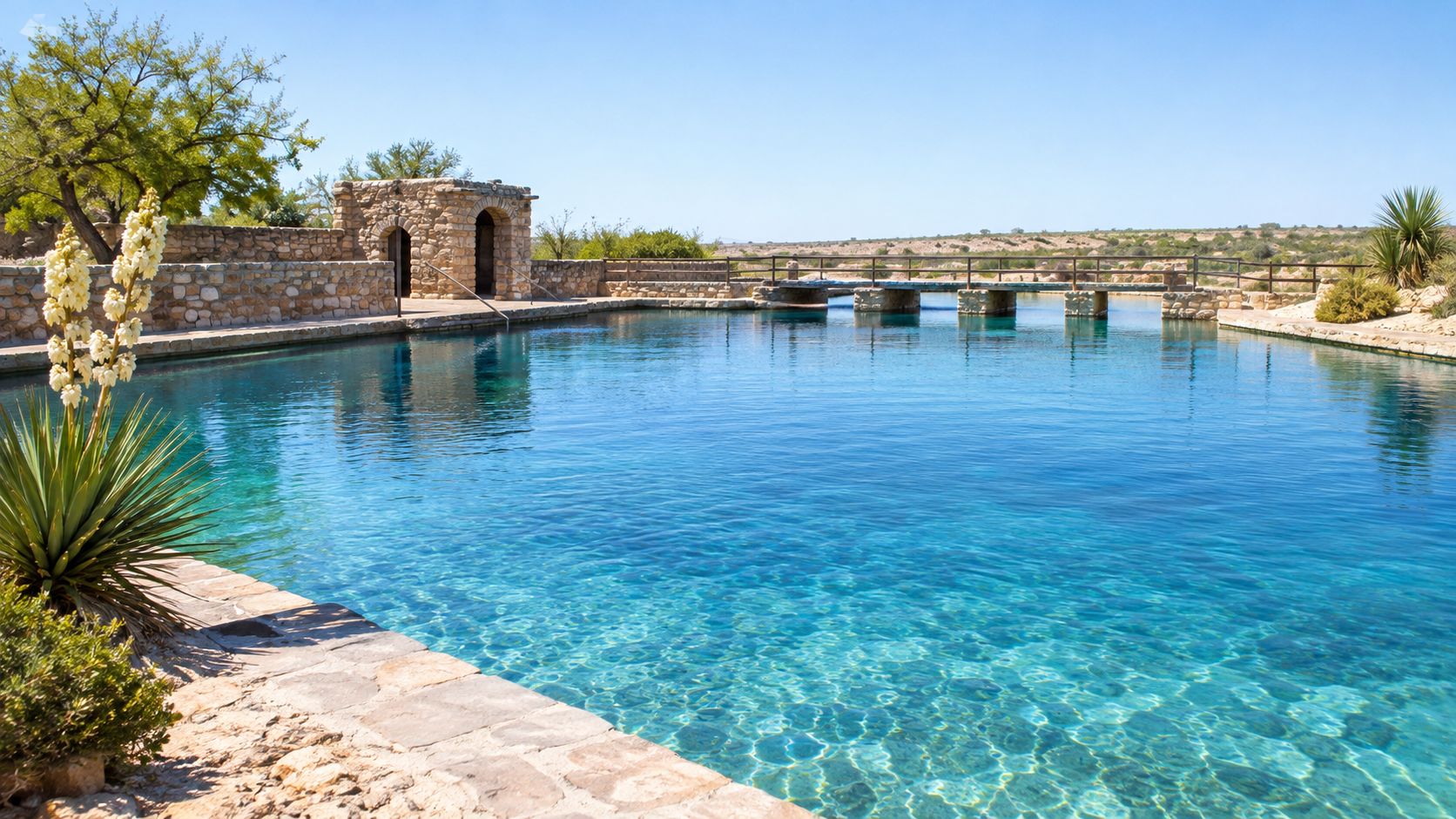
The pool is the main event, so don’t arrive expecting a day built around a long trail network. Pack swimwear, water shoes, a towel, drinking water, and sun protection. Shade around the pool can be limited, and the water’s coolness doesn’t protect you from strong sun while you’re sitting out of the water.
Make the pool the plan
On a summer weekend, arrive early rather than treating the pool like a guaranteed walk-in stop. It can fill up quickly, and the drive is a poor time to discover that swimming or a particular activity has restrictions. Check the official TPWD page before setting out for current swimming, scuba, and snorkeling rules.
Season verdict: Summer makes the pool especially tempting, but it’s also when early arrival matters most. Access constraint: capacity and activity rules can determine whether the swim you planned is available. If you’re travelling with children, decide in advance who’s keeping an eye on bags and sun protection while everyone takes turns in the water.
3. Davis Mountains State Park
Best for a high-country base and a starry night: Davis Mountains State Park suits a weekend that combines mountain scenery by day with a stay near Fort Davis and a planned evening under dark skies. The park’s higher-elevation setting offers a change from the hotter desert floor, but temperatures can still drop sharply after sunset. Pack layers even if the afternoon feels warm.
Indian Lodge gives the park a strong historic character as well as a place to stay. Built by Civilian Conservation Corps companies between 1933 and 1942, the lodge has 16 guest rooms, and the surrounding park facilities were connected to an early planned State Park Highway route, as described in the Texas Parks and Wildlife Department’s history of the state-park system. Lodge rooms and campsites are worth arranging well ahead, especially for weekends or dates tied to astronomy events.
For a practical example, use the park as a base rather than trying to cram every nearby stop into one day. Hike while the light is good, leave time to eat and warm up after sunset, then choose a stargazing destination that fits your schedule. For a general primer on planning a night outdoors, see this guide to stargazing at Texas state parks.
Season verdict: Cooler months are comfortable for daytime exploring, while clear nights reward visitors who bring warm layers. Plan around the moon phase if darker skies are a priority.
Access constraint: booked accommodation and observatory-area plans can make an otherwise flexible trip date-specific. Confirm lodging and campsite availability before building the weekend around them.
4. Hueco Tanks State Park & Historic Site
Best for a guided rock-art visit or a climbing-focused day: Hueco Tanks pairs dramatic boulders and natural rock basins with a concentration of ancient pictographs and petroglyphs. It works best for visitors willing to plan around the site’s rules, not for a spontaneous stop where you expect to roam freely. Climbers should read the current access requirements before choosing a route or setting a departure time.
The rock art is part of the reason this place needs careful visitor management. Stay on marked paths, follow site instructions, and never touch painted or carved surfaces. A casual shortcut across a protected area can damage cultural resources that have endured far longer than a visitor’s stay.
For climbers, a good plan starts with the current access process and the specific areas open to climbing. This guide to rock climbing at Texas state parks can help you think through the activity, but it doesn’t replace Hueco Tanks’ own rules. Carry plenty of water, especially if you’ll be moving among exposed rocks, and avoid scheduling a demanding climbing session for the hottest part of a warm day.
Season verdict: Cooler months make hiking and climbing more comfortable. Access constraint: daily capacity is limited, so reserve ahead and don’t assume you can enter on arrival. If you’re travelling with a group, confirm that everyone understands the reservation and site rules before making the drive.
5. Franklin Mountains State Park
Best for a city-based mountain hike: Franklin Mountains State Park puts rugged desert terrain inside El Paso city limits, so you can trade streets and buildings for rocky slopes and desert plants without a long drive. The park protects a broad sweep of mountain wilderness within the urban area, and that convenience is its real advantage: a genuine mountain hike that still leaves time for dinner in town.
That easy reach doesn’t make the hiking easy. Trails are exposed, shade is scarce, and desert heat turns a comfortable outing into a draining one faster than most visitors expect. In warm weather, start early in the morning or wait until late afternoon. Carry at least one liter of water per person for each hour you plan to hike, and keep it with you rather than leaving it in the vehicle.
Choose a route for the day you have
Match the trail to your fitness and the temperature, not to ambition. If your window is short, a lower route done well beats a long climb cut short by heat. Check trail conditions and unit-specific rules on the official TPWD page before driving to a particular trailhead, and agree on a turnaround point with kids before setting off on a route with little shade.
Season verdict: Cooler months make longer hikes manageable. Access constraint: the urban setting makes the park feel casual, but trail access, conditions, and unit rules still need checking. A short early hike followed by lunch in El Paso beats starting late and betting the mountain stays comfortable.
6. Monahans Sandhills State Park
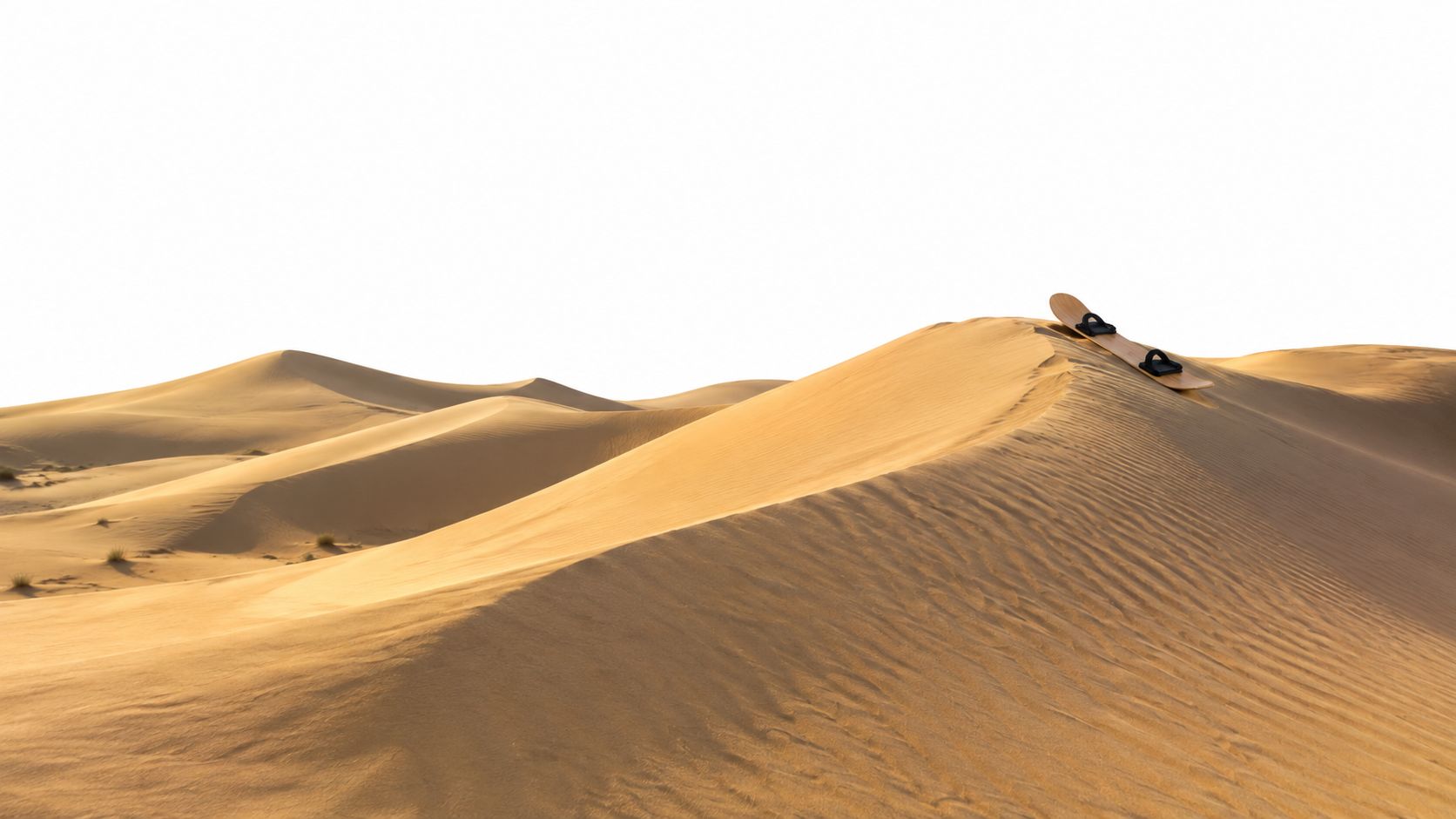
Best for a playful sand-and-photo stop: Monahans Sandhills is the park to choose when the dunes themselves are the activity. Wind-shaped dunes create a striking change from the region’s rocky hills and open desert, and visitors can spend time walking the ridges, photographing shifting patterns, or playing on the sand. It can be a good family stop when the group wants outdoor time without committing to a long backcountry route.
Sand is the main attraction, but it’s also what makes preparation matter. Bring wax or a sled intended for sand, and check rental availability before you go rather than counting on finding equipment after arrival. Wear footwear that protects your feet; bare skin and hot sand aren’t a good combination. Keep a bag or container handy for phones, snacks, and other gear you don’t want coated in grit.
Make a short visit work
A practical outing might be a walk among the dunes, a few sled runs, and a shaded break before returning to the car. Avoid treating the vehicle as a clean staging area: sand gets into camping equipment and can be difficult to remove from small spaces. Keep gear zipped or covered, and brush off shoes before climbing back in.
Season verdict: Cooler parts of the year make time on exposed sand more comfortable. Access constraint: sledding depends on suitable equipment and current rental options, so check before you build the visit around it. If you’re passing through with limited time, keep the plan simple and leave enough time to clean up before getting back on the road.
7. Palo Duro Canyon State Park
Best for a canyon hike with a classic viewpoint: A sunrise start at Palo Duro pays off when the trip is built around the Lighthouse Trail, one overnight near the canyon, and, when performances are scheduled, an evening seat at the outdoor musical TEXAS. The Panhandle setting delivers layered red-rock walls and a signature formation, but the same exposure that makes the scenery striking makes midday hiking costly.
Make water the first packing decision. Start early, turn around before the heat peaks, and check trail conditions before leaving the lot; the route can look reasonable from the rim and feel long once the canyon walls trap the afternoon. Day entry is $8 per adult, kids 12 and under are free, and dogs must stay on a leash.
If the Lighthouse formation is the goal, plan backward from the coolest hours: hike first, recover in shade, then decide whether the evening is for camp cooking, lodging nearby, or the show. Campsites, lodging, and TEXAS tickets run on separate availability, so fixed dates call for booking each piece before the drive. For a broader sense of the state’s varied terrain, browse this guide to natural wonders of Texas, then keep this itinerary to one main trail and one evening plan.
Season verdict: Cooler weather favors longer hiking days, while a warm-season trip works best when the hike is early and the evening anchors the visit. Access constraint: trail conditions, overnight options, and performance tickets can change the plan independently, so confirm all three before committing travel dates.
8. Seminole Canyon State Park & Historic Site
Best for a guided archaeology outing: Seminole Canyon is the right choice when you want to understand the Lower Pecos region’s cultural history, not just pass through canyon country. The park protects canyon walls and shelters containing rock art associated with thousands of years of human habitation. Its visitor center and guided tours help explain the images and their setting, making the visit more meaningful than a quick look at a canyon from a trail.
Book a guided rock-art tour early, because tours can fill quickly. Arrive with enough time to visit the exhibits first; context helps you understand why the sites matter and why visitors must follow tour instructions. Bring water and sun protection for outdoor portions, and wear shoes suited to uneven ground.
Give the visit room to breathe
A useful plan is to treat the visitor center and tour as the core of the day, then add a nearby stop only if the timing works. Pairing Seminole Canyon with the Judge Roy Bean Visitor Center in Langtry can add another layer of regional history, but don’t risk a booked tour by squeezing in an earlier detour.
Season verdict: Cooler weather is generally more comfortable for walking and guided outdoor visits. Access constraint: the tour schedule, not just your arrival time, determines how you’ll see the rock art. Confirm reservations and tour details with the park before driving out, particularly if the visit is a major part of a longer West Texas itinerary.
9. Devils River State Natural Area
Best for a carefully planned river expedition: Devils River State Natural Area suits experienced visitors who want clear water, limestone canyons, and a remote river setting. It’s not a casual drop-in swimming stop. Access is managed through requirements such as tours, permits, or scheduled visits, and the area’s isolation makes preparation essential.
Before setting out, check the current TPWD rules for reservations, permits, tours, and river access. Bring the food, water, fuel, and emergency supplies you’ll need rather than assuming that services will be available nearby. Share your itinerary with someone who isn’t travelling with you, and make sure your group knows how to handle a change in weather or a vehicle problem.
Season verdict: Choose a season that suits your group’s river skills and tolerance for heat, then build in time for careful preparation. Access constraint: the managed entry process can decide whether your preferred date and activity are possible. Follow Leave No Trace principles, pack out everything you bring in, and avoid shortcuts that could damage fragile riverbank habitat.
How the nine West Texas state parks compare on best use, timing, and access
Read the “Best for” column as the single trip each park handles well, and treat the access note as the item most likely to change your plan. Palo Duro Canyon keeps entry simple at $8 per adult with kids 12 and under free, while Hueco Tanks and Devils River can turn a walk-up visit away entirely.
| Item | Best for | Best seasons | Key access note |
|---|---|---|---|
| Big Bend Ranch State Park | Backcountry solitude, hiking, and stargazing | Fall through spring | Rough unpaved roads; high-clearance vehicle recommended |
| Balmorhea State Park | Spring-fed swimming, snorkeling, and scuba | Year-round; especially appealing in summer | Check current swimming and activity rules |
| Davis Mountains State Park | Mountain hiking, history, and stargazing | Cooler months; pack layers for mountain evenings | Book lodging and campsites ahead |
| Hueco Tanks State Park & Historic Site | Rock art, cultural history, and bouldering | Cooler months | Daily visitor capacity is limited; reserve ahead |
| Franklin Mountains State Park | Urban-accessible hiking and city views | Cooler months | Access and facilities vary by unit |
| Monahans Sandhills State Park | Dune play, sandboarding, and photography | Cooler months | Check sand-sled rental options in advance |
| Palo Duro Canyon State Park | Canyon scenery, hiking, biking, and horseback riding | Spring and fall | Reserve lodging and popular activities ahead |
| Seminole Canyon State Park & Historic Site | Ancient rock art and archaeology | Cooler months | Rock art sites require guided tours; book early |
| Devils River State Natural Area | Paddling, wildlife, and remote river solitude | Cooler months | Permits, tours, or scheduled visits are required |
Two access notes deserve attention before the rest. Big Bend Ranch’s rough unpaved roads can rule out a low-clearance car before the season even matters, and the managed entry at Hueco Tanks and Devils River rewards arranging a spot well ahead rather than deciding on the road. For the remaining parks, the season column does the main filtering. Balmorhea is the one pick here that improves as the heat climbs, while everything else favors the cooler months or the shoulder seasons around them.
Match Your Park to Your Season, Then Confirm Before You Drive
Start by deciding what kind of day you want. A swim stop at Balmorhea, an urban mountain hike at Franklin Mountains, and a guided rock-art tour at Seminole Canyon call for different gear and timing. If you want to travel farther from services, Big Bend Ranch and Devils River require more planning than a quick stop close to town. Choose a park that matches both your experience and the amount of time you can give it.
Next, plan around conditions instead of assuming the forecast will stay pleasant all day. For desert hikes, cooler parts of the day are often the practical choice; for a mountain evening, pack a layer even when the afternoon is warm. At water-focused parks, check whether the activity you want is currently allowed and whether access is available on your intended date.
Booking should come before the long drive for campsites, lodging, and guided tours. The official Texas State Parks reservation site is where visitors make campsite and day-pass reservations. For visitors comparing options, TX State Parks organizes parks by the seven TPWD regions and surfaces practical details such as fees, swimming access, dog rules, and camping information alongside links to official sources. It’s an independent guide, not a substitute for the park’s current instructions.
The statewide visitor picture is useful background, but don’t mistake it for a West Texas count. TPWD reports that Texas state parks receive more than 9.2 million visitors annually and generate over $62 million in annual revenue, figures that describe the statewide system rather than these parks alone in its 2024 Land and Water Resources Conservation and Recreation Plan. For your trip, the useful question is simpler: can you enter, do the activity you want, and stay or return safely under the conditions on your dates?
Before departure, open the official page for each park on your route and confirm fees, swimming rules, pet policies, road or trail closures, and any reservation requirements. Conditions and rules change, and a detail that was correct when you started planning may not be current by the time you arrive. Make the park page your final check, then leave with enough water, fuel, time, and flexibility to enjoy the place you chose.
TX State Parks brings together practical details for Texas state parks, natural areas, and historic sites, including fees, pet rules, swimming access, camping options, and estimated drive times. Use it to compare West Texas trips and find the official park information you need, then visit TX State Parks to plan your next stop.
Fees, hours and rules change. Check the park's official TPWD page before you go.