List of Texas State Parks: 10 Regional Picks
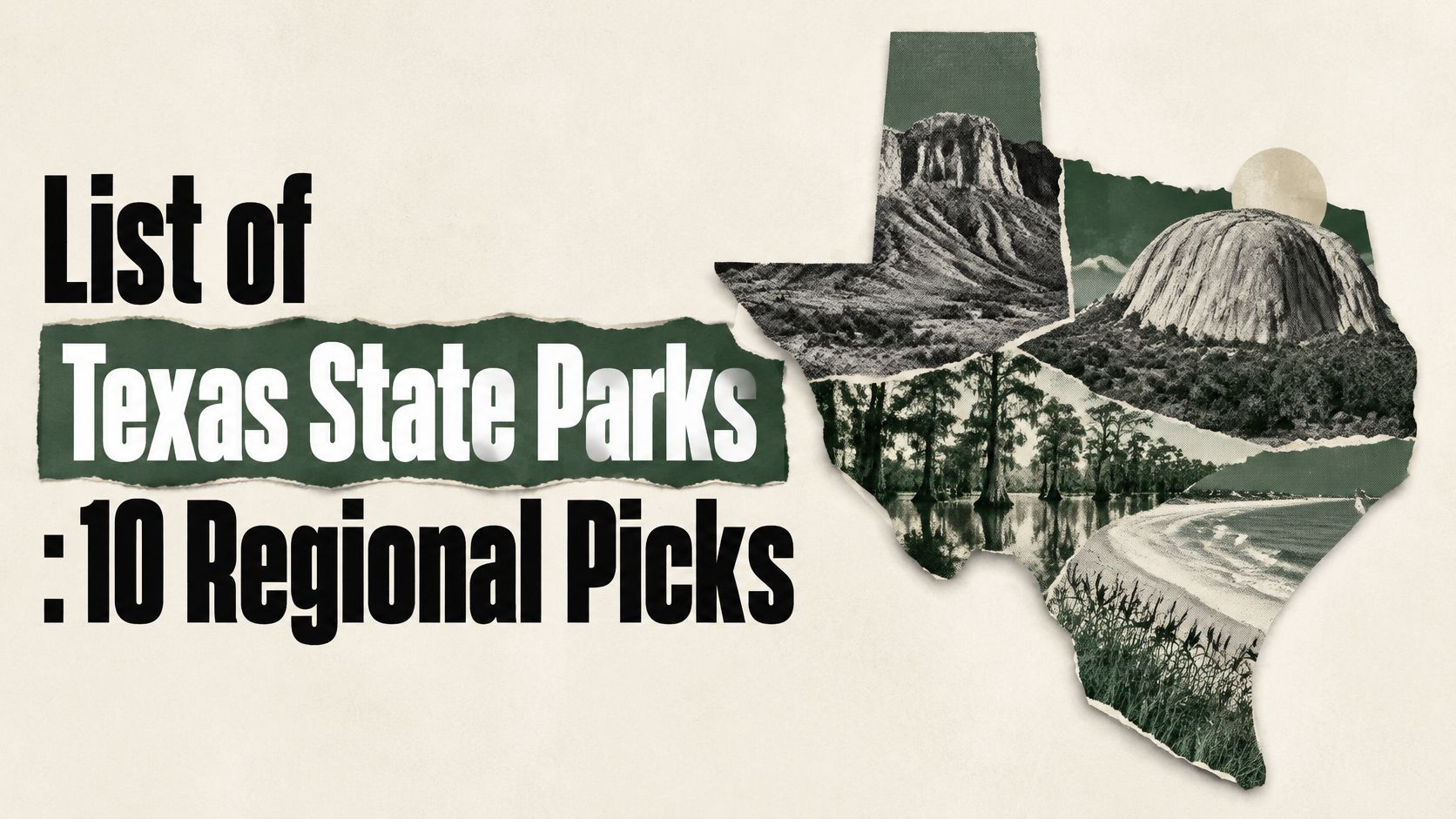
Texas can put a red-rock canyon, a spring-fed swimming hole, a cypress swamp, and a Gulf beach on the same trip shortlist. The hard part is choosing the park that fits your group, season, and plans. A family looking for a cool place to swim needs different conditions from a climber seeking challenging boulders or a paddler exploring quiet channels.
This selective list of Texas state parks groups destinations by region and matches each with a distinct use case. It also flags practical trade-offs: summer heat, limited shade, reservation needs, remote roads, and activities that can change with weather or water conditions. Choose a park for the experience you want, then check current access and rules before setting out.
Table of Contents
- Panhandle and Hill Country Highlights
- West Texas and Border Country
- East Texas and the Gulf Coast
- Top 10 Texas State Parks Comparison Matrix
- Build a Texas Park Trip Around the Right Conditions
Panhandle and Hill Country Highlights
1. Palo Duro Canyon State Park
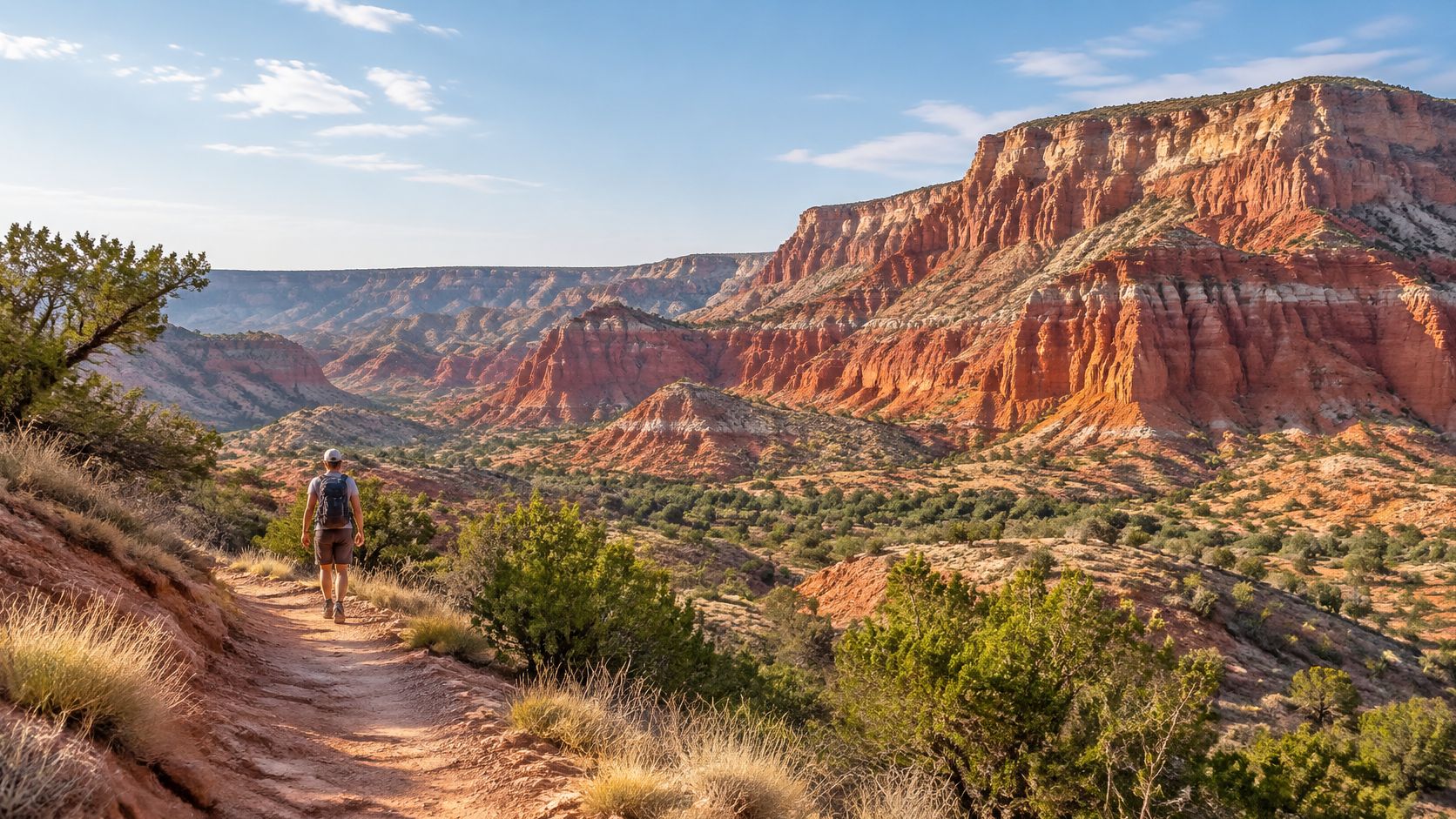
Palo Duro Canyon is the Panhandle pick for expansive views, red-rock scenery, and hiking in an open terrain. The canyon’s layered walls and broad trails make it a memorable stop for travelers exploring near Canyon or combining a park visit with time in Amarillo. For a wider look at striking views across the state, explore this guide to natural wonders of Texas.
Plan your hike around the conditions, not just the mileage. Much of the terrain offers limited shade, and heat can make exposed trails demanding. Start early, carry ample water, and check the park’s official updates for trail closures, fees, and pet rules before you leave. Spring and fall can make walking more comfortable than the hottest part of summer.
In summer, the outdoor musical TEXAS adds another reason to plan ahead. Check show schedules and arrange lodging early if you’re building a weekend around the performance. A canyon hike and an evening show make a natural pairing, but don’t let the schedule push you into a midday hike in severe heat.
Trail rule: Carry water for the full outing, and turn back if heat or trail conditions make continuing unsafe.
For a visual preview of the canyon, watch this park video.
2. Enchanted Rock State Natural Area
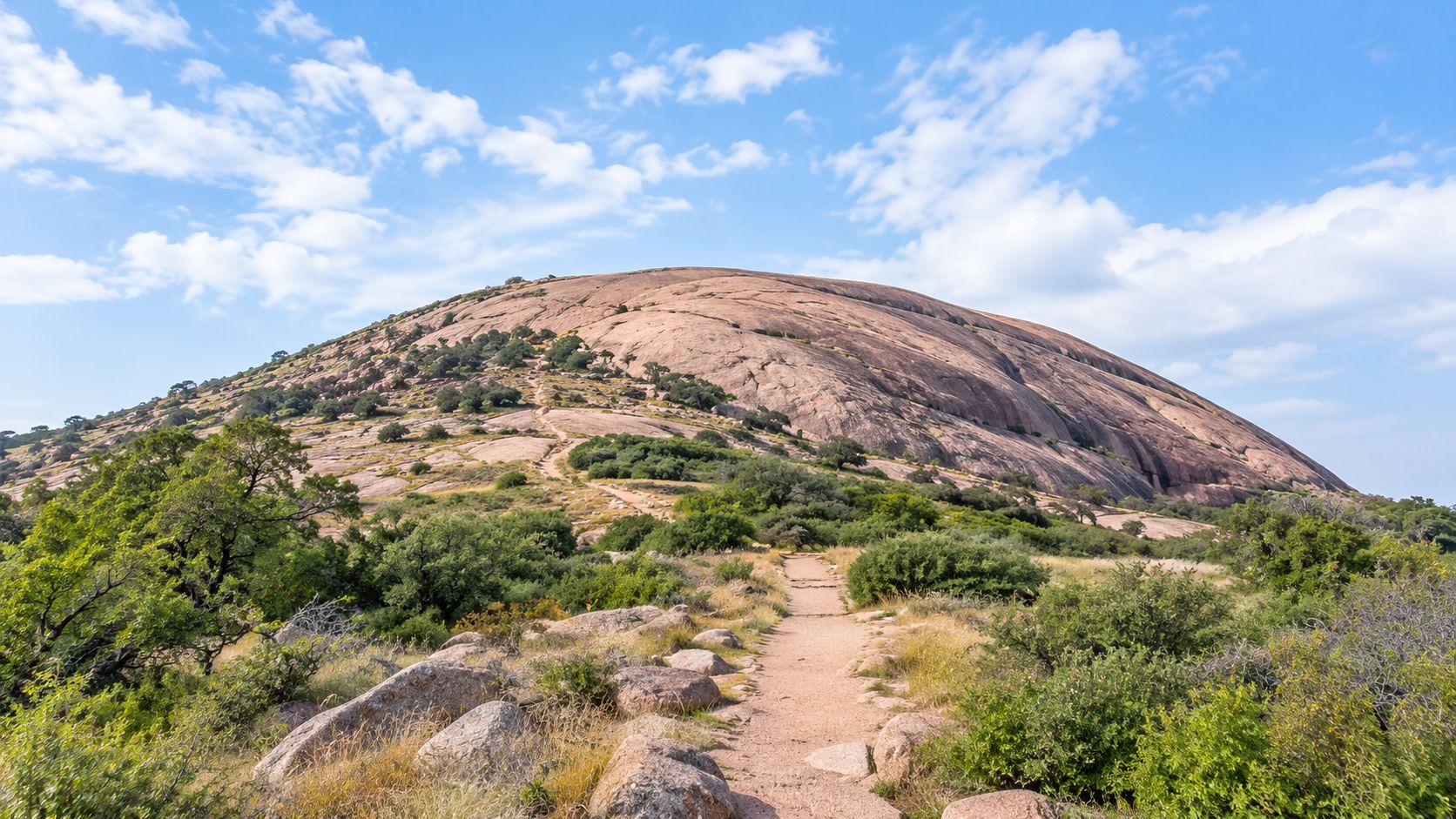
For a day trip built around geology, open views, and a challenging climb, head to Enchanted Rock north of Fredericksburg. Its broad pink granite dome rises above the Hill Country and gives hikers a striking change from the region’s wooded creeks and rolling roads. The exposed rock is part of the appeal, but it also means little shade during the climb.
Go early, especially in warm weather. The granite can become hot underfoot, and the exposed route calls for sturdy shoes, water, and sun protection. Good traction matters on smooth or sloping surfaces, so don’t treat the hike like a casual walk in sandals.
A strong plan is to hike while temperatures are manageable, then stay in the area for sunset or an evening under the dark sky. Check current day-use and reservation requirements before driving out. Access rules can change, and a full park can derail a tightly timed day trip.
3. Lost Maples State Natural Area
Lost Maples is the clear choice for Hill Country fall color, riverside walks, and canyon scenery. Bigtooth maples draw visitors when their leaves change, while limestone bluffs and the Sabinal River make the park appealing outside the color season too. If fall foliage is your main reason for going, check the latest Lost Maples foliage planning guide before choosing a date.
Peak color brings a planning trade-off: the most popular time to visit can also mean busier trails and tighter access. Check the park’s current day-use and reservation rules, and consider a weekday or early arrival if your schedule allows. Don’t make a long drive based on last season’s timing. Color depends on seasonal conditions, so confirm what’s happening now.
For river time: Pack water shoes if you expect to explore near the water, and verify current access conditions before you set out.
Campers can use Lost Maples as a base for exploring the surrounding Hill Country, but the park is best matched to visitors willing to plan around seasonal demand. For a quieter outing, choose a less crowded period and focus on the trails and canyon terrain rather than trying to hit peak color on a fixed weekend.
4. Garner State Park
Garner is a strong family choice when the goal is a classic Hill Country river holiday. The Frio River is the draw for swimming and tubing, while campsites and cabins make it possible to stay close to the water rather than squeeze the experience into a rushed day visit. For more context on the park’s popularity, see this Garner State Park visitor guide.
Summer weekends and holidays require advance planning. Reserve lodging early, then check river conditions before packing floats. River levels can change, so don’t assume that a familiar spot will have the same water conditions on every visit. Water shoes help on rocky shores, and a secure float is a better choice than an improvised one.
Garner also suits groups that want more than time in the river. The park’s long-running dance pavilion adds a social, old-fashioned vacation feel, while the surrounding terrain offers a break from swimming and camping. Check current pet rules, fees, and alerts with TPWD before arrival, especially if you’re traveling with a dog.
Choose Garner when you want a lively park experience and are comfortable planning ahead. If your priority is quiet, a busy summer river weekend may not be the right fit. For a more relaxed visit, target a less in-demand time and keep your plans flexible around water conditions.
West Texas and Border Country
5. Big Bend Ranch State Park
Big Bend Ranch is the choice for experienced visitors who want remote desert country, rugged canyons, and room to explore. Its scale and isolation make it very different from a quick city escape. Treat the drive, supplies, and road conditions as part of the trip rather than details to sort out after you arrive.
Prepare before entering the park. Fill your fuel tank, carry extra water and food, and bring first-aid supplies. Cell service can be unreliable, so backcountry visitors should study official maps and consider a communication device that works beyond cellular coverage. Some roads require high-clearance vehicles, and rain can affect access.
This destination works well as part of a longer West Texas itinerary, including a visit to nearby Big Bend National Park. Don’t try to cover too much in a short visit. Choose a route that fits your vehicle and experience, and build in time to respond to changing conditions.
Cooler months are generally more comfortable for desert travel than the hottest part of the year. Before departing, check current road notices and closures through TPWD. A route that looks straightforward on a map may involve rough surfaces or long stretches without services.
6. Balmorhea State Park
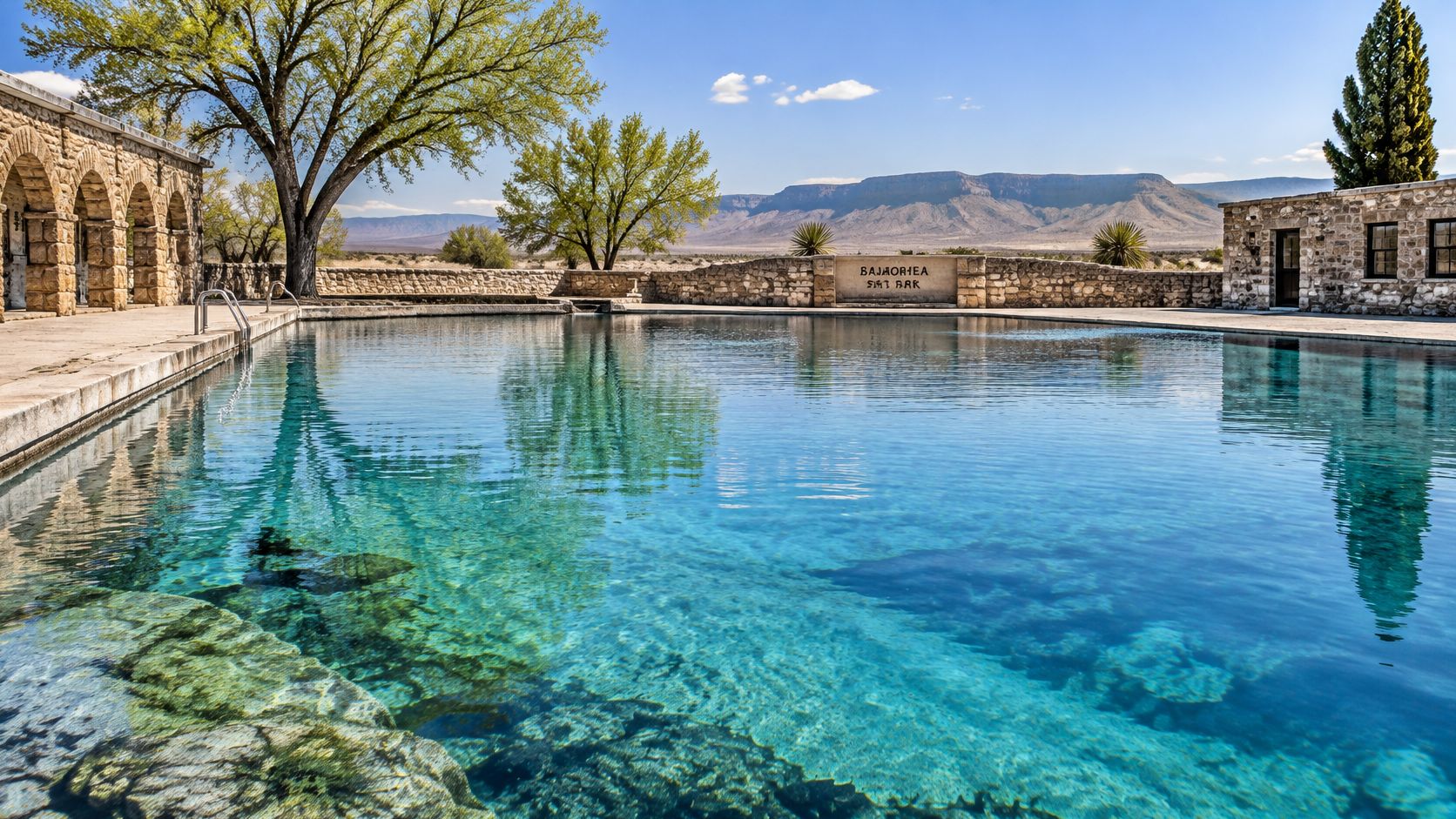
Balmorhea gives desert travelers a rare kind of outing: a swim in a spring-fed pool surrounded by West Texas terrain. The cool water makes it a natural choice for families and travelers looking for a break from dry, hot conditions. The springs also support the Comanche Springs pupfish, so the site pairs recreation with a distinctive desert habitat.
Make the pool the centerpiece of your visit, but check current hours, rules, and maintenance notices before you drive. Access can change, and a pool-focused trip needs a reliable confirmation that swimming is available. Arriving early can make for a quieter swim and gives you more flexibility if plans shift.
Bring drinking water and sun protection even if you plan to spend most of the day in the pool. Desert heat affects the walk to and from the water, and services can be limited in the surrounding area. Plan food and fuel stops in advance rather than assuming you’ll find what you need nearby.
Balmorhea also makes a useful stop on a broader Davis Mountains drive. Pick it when you want swimming with a distinctly West Texas setting, but keep the itinerary flexible until you’ve checked for current pool access.
7. Hueco Tanks State Park & Historic Site
Hueco Tanks is the pick for climbers, cultural-history visitors, and travelers near El Paso who want a park visit beyond a standard trail hike. The area’s rock formations and natural basins create a distinctive desert setting, while ancient pictographs connect the place to Indigenous histories, including Mescalero Apache and Jornada Mogollon cultures.
Visitor access and climbing rules require attention. Check current reservation requirements, daily limits, tour schedules, and climbing guidance before you go. If you’re visiting for the rock art, arrange an appropriate tour and follow site rules carefully. Don’t touch pictographs or climb on rock-art surfaces.
Bring ample water and sun protection. The exposed desert setting can make even a short visit strenuous in hot weather, so plan activities for cooler conditions when possible. Climbers should confirm the current rules for permitted areas and follow restrictions designed to protect both visitors and the site.
Choose Hueco Tanks for a focused outing, not an unplanned stop on a packed itinerary. A reservation or tour may shape how you spend the day, and the cultural features deserve time and care. If your group includes non-climbers, plan a visit around the guided history experience rather than assuming everyone will want to boulder.
East Texas and the Gulf Coast
8. Caddo Lake State Park
Caddo Lake is the best fit for paddlers who want a quiet, wooded waterway rather than an open lake shoreline. Cypress trees, Spanish moss, and winding channels create a distinctive East Texas setting, with opportunities to watch wildlife from a canoe or kayak. It’s a slower-paced park where navigation and conditions matter as much as the scenery.
Paddle early for calmer water and a better chance to observe wildlife. Bring a map or GPS, insect repellent, and a life jacket, and know how to use your equipment before launching. A bailer or spare dry clothes can help if your boat takes on water or the weather changes.
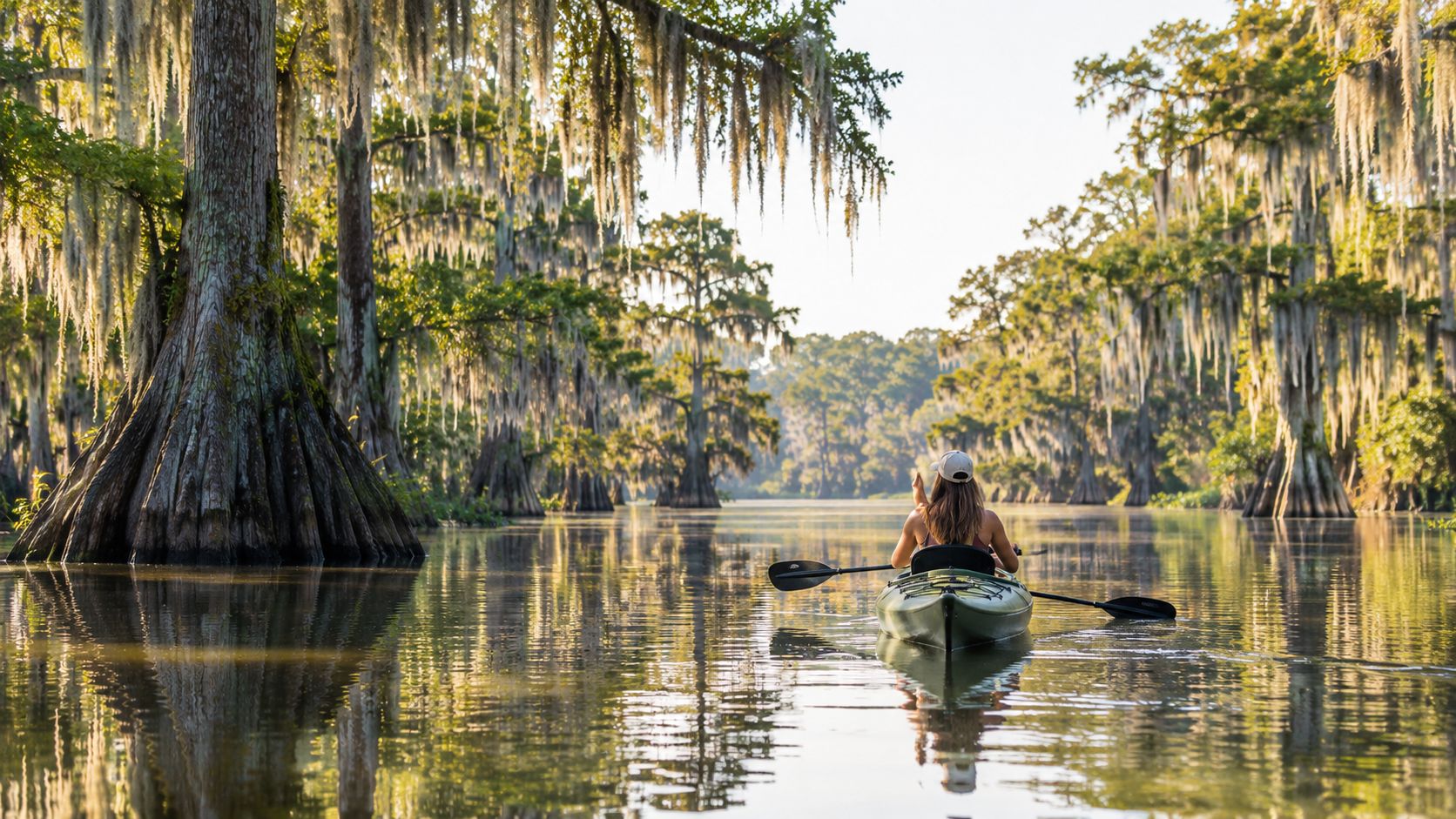
Check current water levels and park guidance before you launch. Don’t assume a familiar channel will be equally easy to follow in different conditions. If you’re new to paddling, stay within your ability and choose a route you can manage without relying on ideal weather.
Caddo suits visitors who value a peaceful water outing over a fast-paced list of activities. Birders can also make the swamp part of a wildlife-focused visit. Plan for insects and changing conditions, and keep your route conservative if you’re unfamiliar with the channels.
9. Inks Lake State Park
For a convenient Hill Country water day, Inks Lake is a practical pick for families, paddlers, and Austin-area visitors. Granite formations shape the shoreline, and swimming spots such as Devil’s Waterhole give the park a distinctive rocky-water setting. Visitors also come to paddle and dive, making it a versatile choice for groups with different interests.
The shoreline can be rough on bare feet. Pack water shoes, and check current swimming rules, water conditions, and diving requirements before you head out. If anyone in your group plans to dive, use designated areas and follow park safety guidance rather than treating a popular swimming spot as an unrestricted dive site.
Summer weekends can bring crowds and parking pressure, so arrive early if you want to settle in without rushing. That matters especially for families carrying coolers, towels, and water gear. If a relaxed shoreline day is the goal, arriving late and hoping to find a convenient spot is a poor plan.
Inks Lake works best when you choose your activity before arrival. Pick a swimming area, a paddling plan, or a diving focus, then confirm the relevant conditions. The park can support a mixed-interest group, but each activity has its own access and safety considerations.
10. Galveston Island State Park
Galveston Island State Park is the Gulf Coast choice for visitors who want beach access, marsh habitat, fishing, or birding within reach of Houston and Galveston. The mix of shoreline and coastal wetlands makes it more than a beach stop. Birders can look for migration activity, while anglers can plan around surf or bay fishing.
Check weather forecasts and TPWD alerts before you leave, particularly when severe weather or hurricane-season conditions may affect access. Bring sunscreen, water, and insect repellent, and verify fishing-license requirements and beach rules for your plans. Coastal conditions can change quickly, so don’t base a long drive on an outdated assumption about access.
Spring and fall can be comfortable seasons for walking and birding. If fishing is the main goal, check current conditions and regulations before choosing a spot. If your group wants a beach day, confirm which areas are open and what restrictions apply rather than assuming every part of the park has the same access.
Galveston Island suits visitors who want a coastal experience with options beyond swimming. Keep your plans adaptable, especially if weather affects the shoreline or marsh access. That flexibility matters when a beach, fishing, or birding outing depends on conditions that can change before you arrive.
Top 10 Texas State Parks Comparison Matrix
| Texas State Park | 📍 Location & Standout Features | ⭐ Best For | 🏕️ Facilities & Visit Profile | 💡 Key Considerations |
|---|---|---|---|---|
| Palo Duro Canyon State Park | Near Canyon, Texas; dramatic red-rock canyon, CCC-era structures, and Pioneer Amphitheater | Hiking, camping, scenic drives, stargazing | Trails, campsites, cabins, RV hookups, and overlooks | 🔥 Exposed trails can be very hot; carry plenty of water and check seasonal show availability |
| Enchanted Rock State Natural Area | Near Fredericksburg; prominent pink granite dome with panoramic Hill Country views | Hiking, stargazing, geology, backcountry camping | Summit trail, primitive campsites, and dark-sky viewing | ⚡ Arrive early; capacity can be limited, and granite offers little shade |
| Big Bend Ranch State Park | Far West Texas near Presidio and Terlingua; vast desert, canyons, volcanic formations, and Rio Grande access | Backpacking, off-road driving, mountain biking, birding, stargazing | Remote, large-scale park with primitive and developed camping | 🔄 Requires advance planning for fuel, water, supplies, and road conditions; cell service is unreliable |
| Lost Maples State Natural Area | Near Utopia; bigtooth maples, limestone canyons, and Sabinal River | Fall foliage, hiking, camping, photography, swimming | Trails, campsites, cabins, and primitive sites | 📊 Fall color draws crowds and lasts a short time; check access and foliage conditions before traveling |
| Garner State Park | Near Concan; Frio River, wooded trails, and CCC-era buildings | Tubing, swimming, family camping, hiking | Cabins, shelters, campsites, RV sites, and river access | 🔄 Summer weekends are busy; reserve early and check river levels |
| Balmorhea State Park | Balmorhea, West Texas; large, clear spring-fed pool and pupfish habitat | Swimming, snorkeling, camping, nature education | Swimming pool, bathhouse, campsites, cabins, and day-use areas | ⚡ Check pool hours and closures; plan fuel and food stops in advance |
| Inks Lake State Park | Near Burnet; granite shoreline, lake access, and Devil’s Waterhole | Swimming, scuba diving, paddling, mountain biking, camping | Campsites, cabins, picnic areas, and trails | 💡 Water shoes are useful; check water levels and arrive early on summer weekends |
| Caddo Lake State Park | Near Karnack on the Texas-Louisiana border; cypress swamp, Spanish moss, and winding channels | Paddling, birding, wildlife photography, fishing, camping | Canoe and kayak routes, campsites, and cabins | 🔄 Bring navigation aids and insect repellent; check water conditions before paddling |
| Hueco Tanks State Park & Historic Site | Northeast of El Paso; rock basins, ancient rock art, and renowned bouldering | Bouldering, cultural tours, hiking, stargazing | Guided tours and trails; visitor access may be limited | 💡 Reserve ahead, respect rock art, and bring water and sun protection |
| Galveston Island State Park | West end of Galveston Island; Gulf beach, coastal marsh, and tidal habitats | Beach visits, birdwatching, fishing, coastal camping | Beach and bay access, campsites, and day-use facilities | 🌦️ Check weather, water conditions, and park alerts, especially during hurricane season |
Build a Texas Park Trip Around the Right Conditions
Start with the experience you want, then narrow by travel distance, skill level, and season. Garner and Inks Lake both suit water-focused groups, but the settings differ: Garner centers on the Frio River and a classic summer-camp atmosphere, while Inks Lake pairs swimming with paddling and diving. Pick Balmorhea for a desert swim. Pick Galveston Island when you want beach, marsh, fishing, and birding in one coastal stop.
For a geology-focused outing, choose Enchanted Rock and plan around exposed rock, heat, and access requirements. Caddo Lake rewards paddlers ready to work through winding wooded channels. Lost Maples is the clear fall-color pick, though you should verify current foliage and access instead of assuming conditions will match a past visit. Palo Duro delivers canyon scenery and hiking, while Big Bend Ranch demands more preparation, self-sufficiency, and attention to road conditions. Hueco Tanks fits visitors willing to plan around climbing rules, cultural-site protections, or a guided history experience.
Treat availability as a trip condition rather than a permanent park feature. TPWD says capacity decisions reflect visitor safety and resource protection, and popular parks can fill well ahead of a visit. Day passes matter most on busy weekends and holidays. The TPWD reservation guidance explains that day passes can generally be reserved only one month ahead, while most overnight sites open five months ahead at 8 a.m. A reservation and guaranteed entry are not always interchangeable, so read the specific park’s current instructions before setting out.
Conditions can also change which activities are usable on a given day. A park may offer hiking, swimming, or boating while weather, maintenance, water levels, or closures temporarily restrict a specific area. TPWD notes that Cedar Hill trails can close because of weather or maintenance, and park listings may include closures affecting individual facilities. Check alerts close to departure, especially if your group is driving a long distance for one activity.
Matching expectations to the right park pays off. In a statewide TPWD survey of 26,825 visitors at 67 participating parks, approximately 94% reported being satisfied or very satisfied with their visit; the survey found no statistically significant difference between day-use and overnight visitors or among seasons (TPWD visitor survey). Compare the essentials that matter to your group: fees, camping availability, swimming access, pet rules, and activity suitability.
Before leaving, verify current fees, pet rules, swimming access, reservations, closures, and road conditions through official TPWD information. The TX State Parks field guide works as a starting point for browsing regional and activity directories, comparing park details, and reviewing estimated drive times from major cities. It is an independent guide rather than an official TPWD source, so follow its links to confirm alerts and changing rules with the department.
Fees, hours and rules change. Check the park's official TPWD page before you go.