What Are Some Fun Things to Do in Texas State Parks?
What if the problem isn’t finding something fun to do in Texas, but finding the version that fits your group, your energy, and the drive you’re willing to make? A couple with one free afternoon needs a different plan than parents with small children, a solo hiker, or friends hoping to camp and swim in the same weekend. That’s why a long, undifferentiated list can leave you with plenty of ideas and no workable trip.
The ten experiences below are presented as equally strong starting points, not a ranking. Some suit an unhurried day trip. Others reward an overnight stay, specialized gear, or a longer drive into quieter country. Each one names specific parks and the practical checks that matter most before you commit.
Outdoor recreation isn’t a niche interest. In 2023, 175.8 million Americans aged six and older participated, equal to 57.3% of that age group according to the Outdoor Industry Association participation announcement. Demand makes early planning worthwhile, particularly for campsites and popular swimming areas.
Before choosing, compare entrance fees, dog rules, swimming access, camping availability, and approximate drive times. TX State Parks gathers those pre-visit essentials in one place, but you’ll still want to confirm current alerts and rules on the official park page.
Table of Contents
- 1. Camping Under the Stars
- 2. Hiking and Nature Trails
- 3. Paddling on Texas Rivers and Lakes
- 4. Stargazing at Dark Sky Locations
- 5. Fishing at State Park Lakes and Rivers
- 6. Swimming in Spring-Fed Rivers and Lakes
- 7. Mountain Biking on Park Trails
- 8. Horseback Riding on Park Trails
- 9. Birdwatching and Wildlife Viewing
- 10. Wildflower Viewing and Seasonal Nature Walks
- 10 Fun Outdoor Activities in Texas: Comparison Guide
- Turn Ideas Into a Park Plan
1. Camping Under the Stars
Camping changes the pace of a park visit. Instead of racing through a trail and driving home, you get the cooler edges of the day, time around the campsite, and a better chance to combine hiking, water, and wildlife viewing without stacking everything into one afternoon.
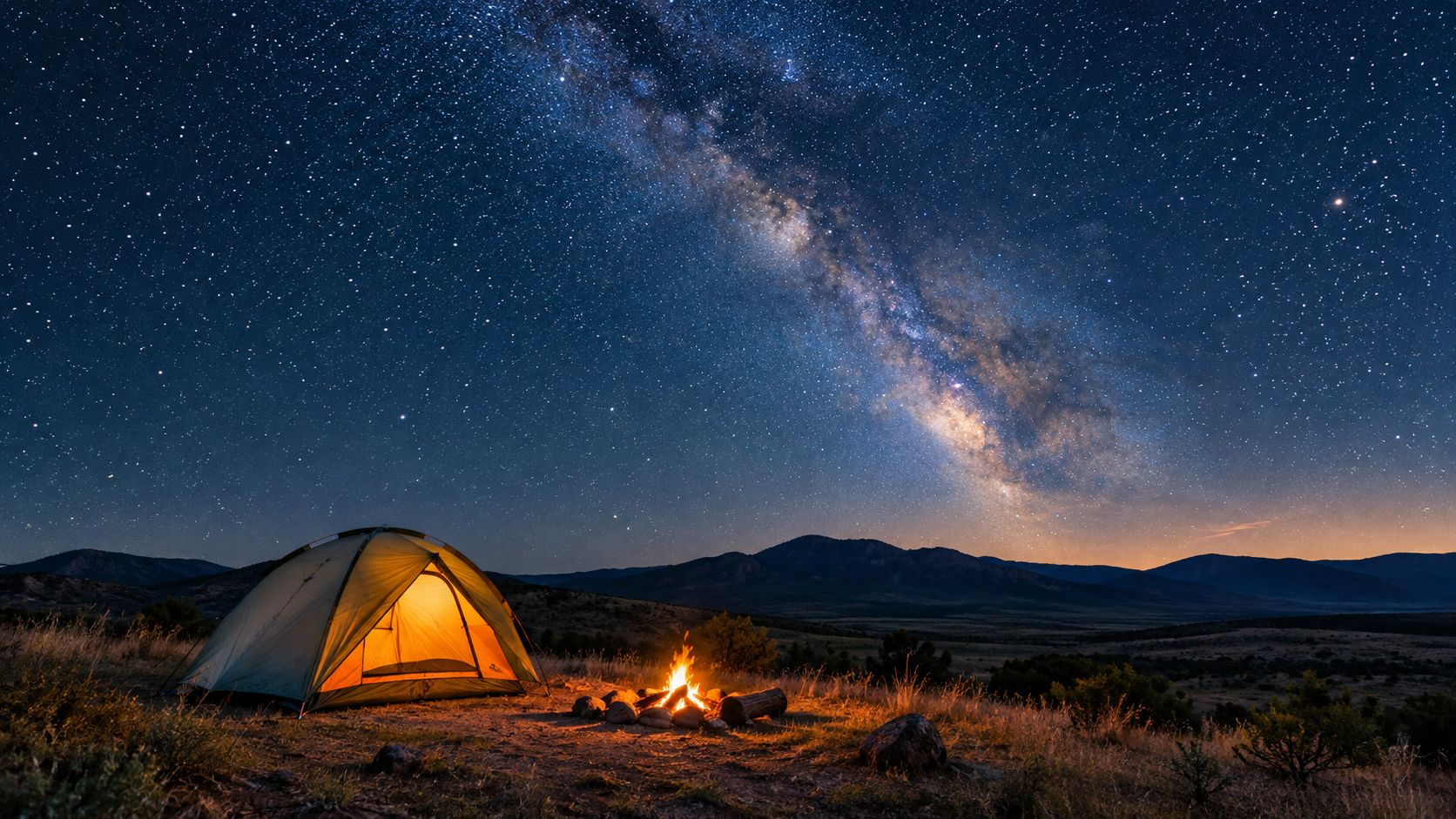
Your comfort level should drive the site choice. Developed tent and RV sites work well for families who want easier access to water, restrooms, and the car. Screened shelters reduce some packing, while primitive sites offer more separation but demand more self-reliance, especially in Texas heat.
Parks That Show the Range
Palo Duro Canyon State Park suits campers who want a large canyon and a broad choice of camping styles. Garner State Park, on the Frio River, is a longtime favorite for families and groups, but that popularity means weekend and holiday availability can disappear well ahead of time.
Practical rule: Reserve for the trip you can actually manage, not the most remote site on the map. A simple site with shade, water, and an easy walk to facilities often beats a primitive site that leaves everyone overheated and underprepared.
- Check before booking: Confirm the current reservation window, park alerts, campsite facilities, and whether your preferred site fits your vehicle or tent setup.
- Pack for heat: Bring more drinking water than you think you’ll need, even when water is available nearby.
- Confirm pet rules: Dogs are generally leashed and may be restricted from some areas, so don’t assume every campsite routine works the same way.
2. Hiking and Nature Trails
If you’re asking what are some fun things to do without buying specialized equipment, hiking is the most flexible answer. Texas trails cross canyons, granite domes, limestone hills, desert mountains, woodlands, and river bottoms. A short loop can fit a family outing, while a longer route gives solo hikers or couples room for a more demanding day.
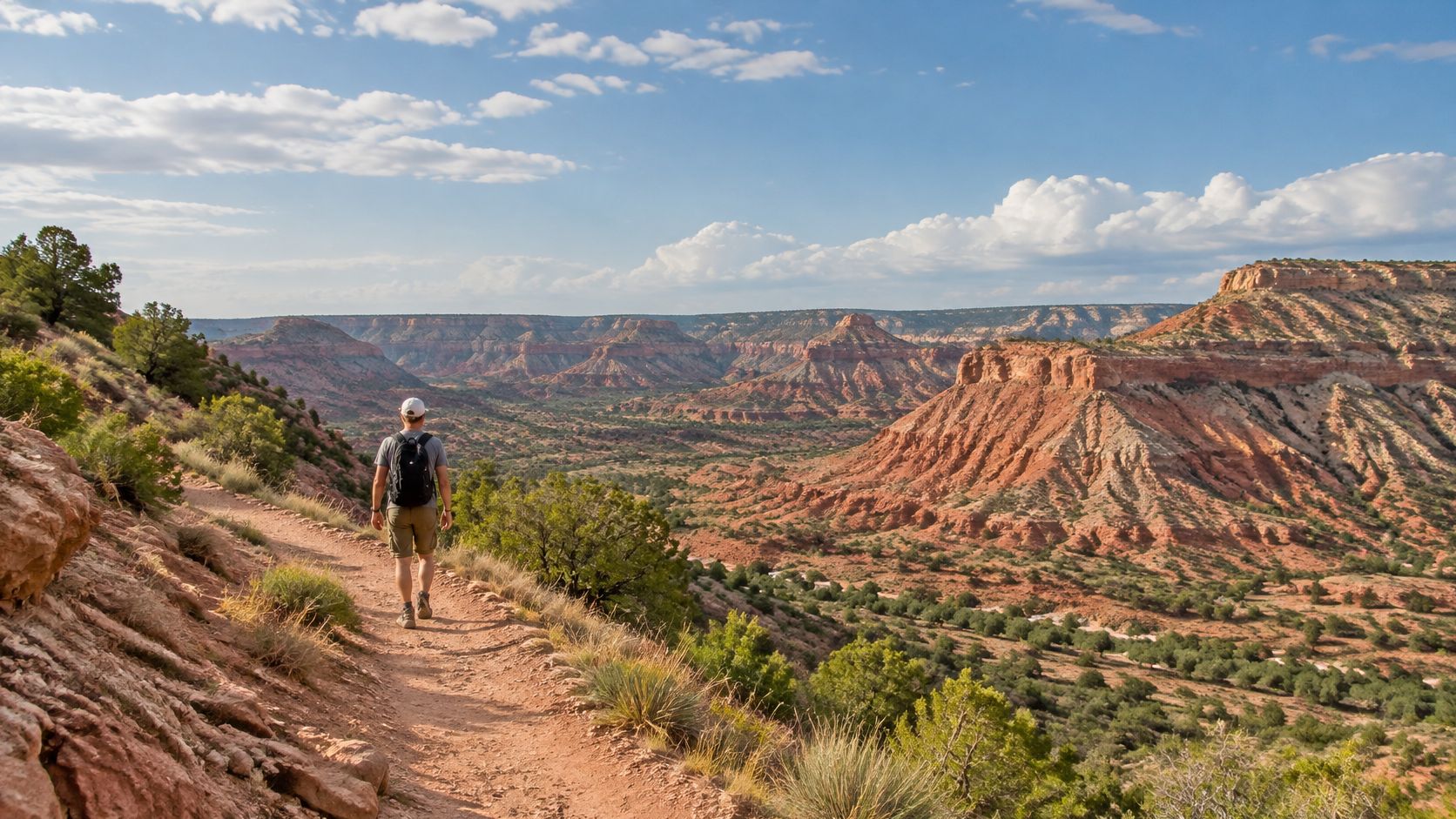
A Texas Parks and Wildlife visitor survey found hiking was the top activity among both day and overnight visitors, and 94% reported being satisfied with their visit according to the TPWD five-year visitor survey release. That doesn’t make every trail a good match. Length, surface, slope, shade, and seasonal conditions matter more than the simple label of hiking.
Enchanted Rock State Natural Area is known for its large pink granite dome and exposed walking that rewards an early start. Lost Maples State Natural Area offers a different experience through maple and oak woodlands, with more emphasis on shade and seasonal change. If water features shape your route planning, this guide to waterfalls worth seeking out in Texas can help you compare destinations before narrowing your park choice.
Carry more water than expected, wear sun protection, and check for trail closures before leaving home. In hot months, starting early isn’t just about comfort. It’s often the difference between finishing the route you planned and turning back because the exposed sections have become punishing.
3. Paddling on Texas Rivers and Lakes
Paddling slows a park down in a useful way. From a kayak, canoe, or stand-up paddleboard, you can follow shaded banks, watch birds at water level, and cover sections of shoreline that trails may not reach. It’s quiet without being passive, which is why it works for couples and solo visitors as well as patient families.
The image below captures the calm end of the experience, although conditions on the day matter more than scenery in a photograph.
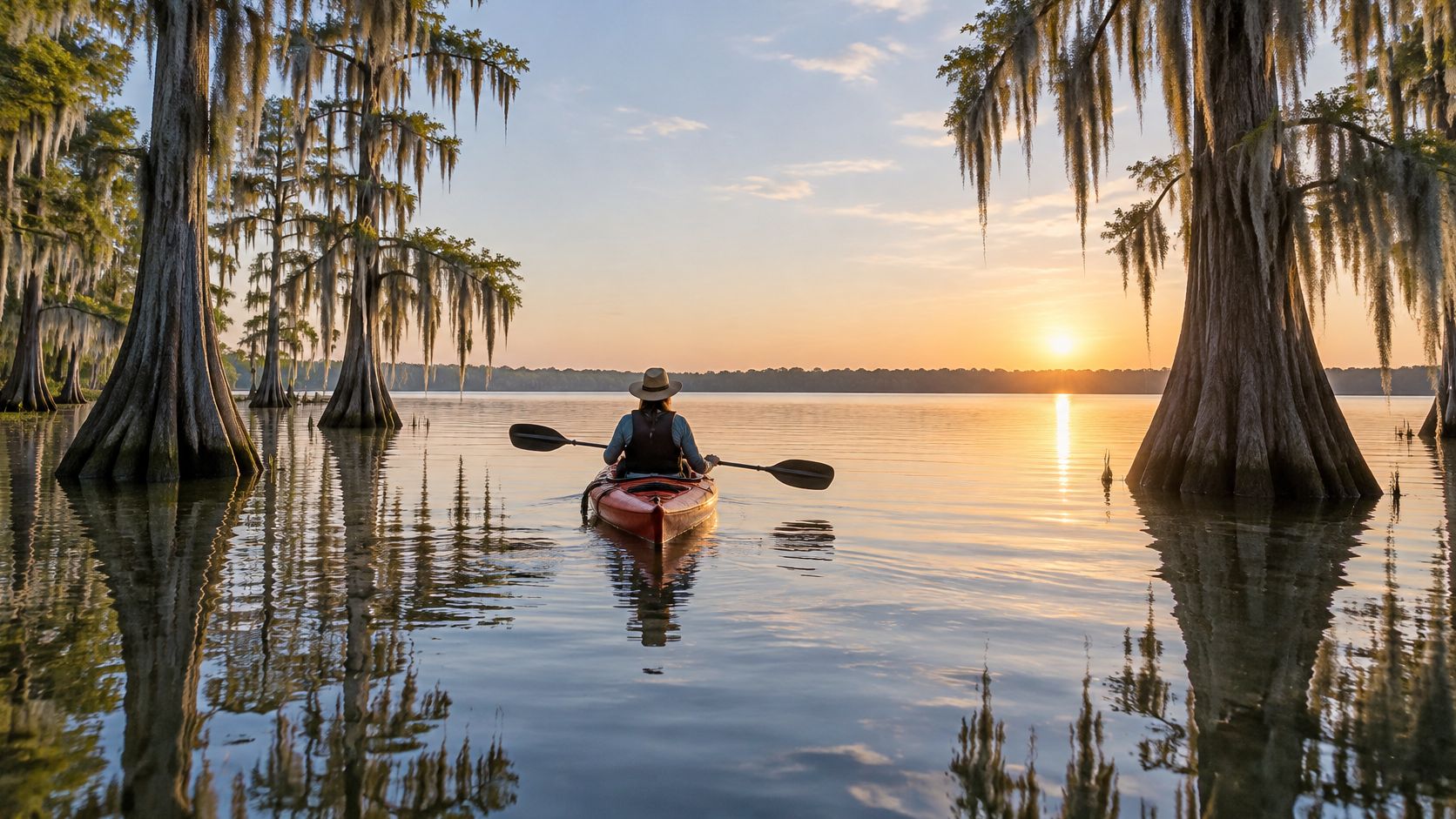
Caddo Lake State Park is known for cypress-lined waterways where route finding and a measured pace are part of the appeal. Guadalupe River State Park is popular for river access and paddling, but river conditions can change the character of a trip. TPWD also supports paddling through the Texas Paddling Trails program, which highlights routes and access points across the state.
Before You Launch
- Wear the life jacket: Use a properly fitted one rather than treating it as cargo.
- Check water conditions: Current levels, flow, wind, and recent weather can make a familiar route unsuitable.
- Confirm equipment: Don’t assume rentals are available at the park or on your travel date.
The short video below is useful for visualizing the pace and setting before you decide whether paddling fits your group.
Paddling isn’t the best choice when you want a spontaneous outing with no gear decisions. It rewards preparation. Check access points, turnaround options, and the distance back to your launch before committing children or new paddlers to a long stretch.
4. Stargazing at Dark Sky Locations
Stargazing asks very little from your schedule during the day and gives you a reason to stay after other visitors leave. On a clear, moonless night, you can watch constellations, planets, and the Milky Way with no equipment. Binoculars or a telescope add detail, but they’re optional.
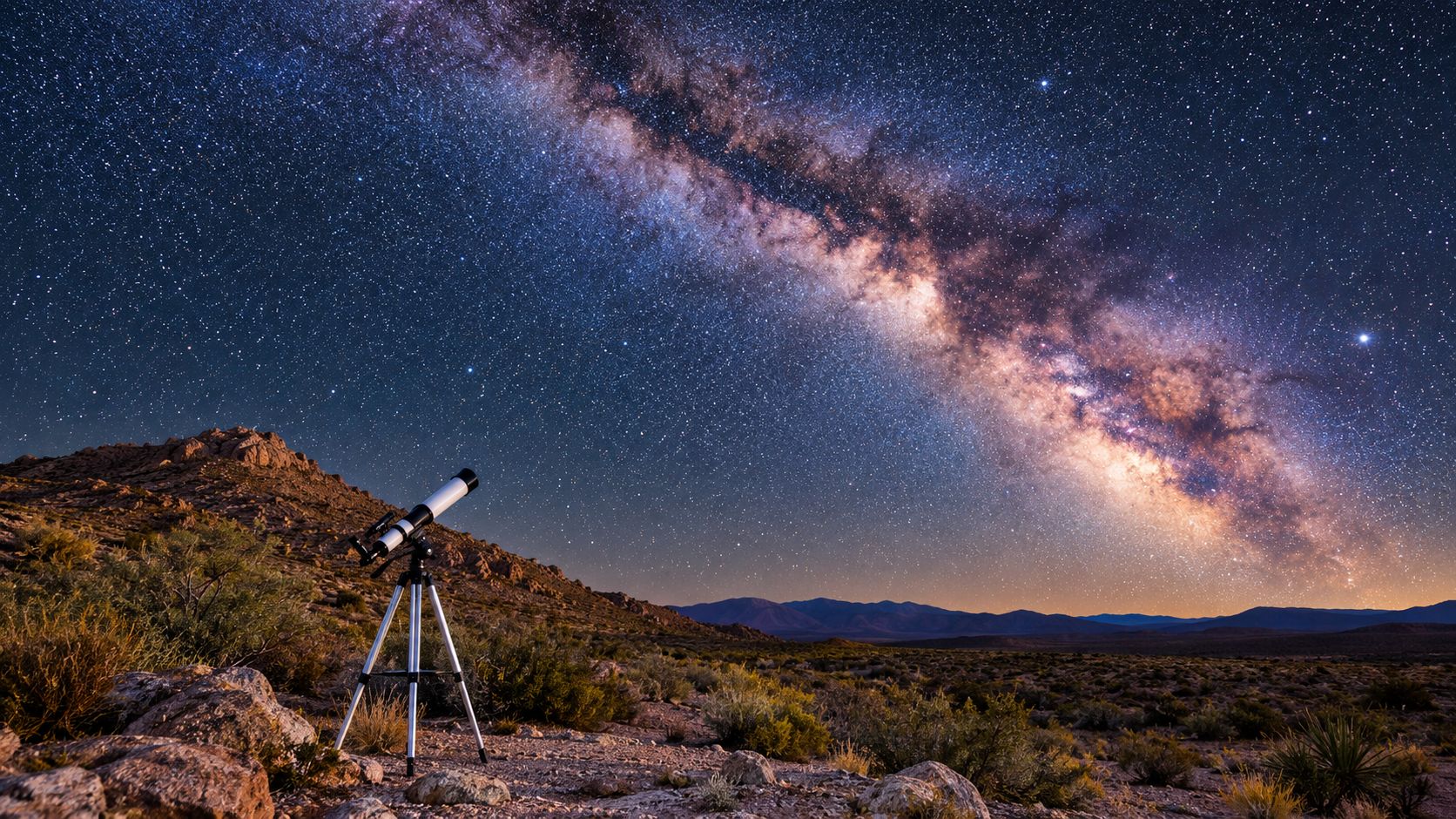
West and Far West Texas offer some of the state’s darkest conditions because the parks are farther from major light sources. Big Bend Ranch State Park is remote, which improves the sky but also raises the planning burden for fuel, water, directions, and overnight arrangements. Davis Mountains State Park, near the McDonald Observatory region, can suit visitors who want dark skies with a less isolated base.
The trade-off is straightforward. The best darkness often comes with the longest drive and the fewest nearby services. That’s part of the appeal for photographers and astronomy enthusiasts, but families should decide whether children will still be awake and comfortable when viewing gets good.
Use a red-light flashlight to preserve night vision and give your eyes time to adjust. Check the moon phase and forecast before traveling, since a bright moon or cloud cover can flatten the experience. Also confirm whether the park has scheduled star parties or ranger-led night programs during your visit.
5. Fishing at State Park Lakes and Rivers
Fishing works when your group wants time outdoors without constantly moving. One person can focus on bass, catfish, or sunfish while others read, watch birds, or walk the shoreline. For children, the activity can be as much about patience and noticing aquatic life as catching anything.
Lake Mineral Wells State Park and Trailway is a popular lakeside destination where fishing can anchor a broader day around the water. Tyler State Park offers lake access in a wooded setting, making it easier to pair fishing with a picnic or short walk. Neither example guarantees action at the water’s edge, and that’s the honest limitation. Weather, season, pressure, and your chosen spot all shape the result.
Make the Outing Easier
- Check the rules first: Review current TPWD fishing regulations and license requirements before you pack.
- Confirm access: Ask whether fishing is limited to particular shoreline areas, piers, or boats.
- Plan for exposure: Bring sun protection, drinking water, seating, and insect repellent for still periods near the water.
Fishing is a strong choice for mixed-energy groups because participation can be active or relaxed. It’s less satisfying if your schedule is tight and everyone expects quick results. Choose a park where the setting remains enjoyable even during a slow hour, and the trip doesn’t depend entirely on the next cast.
6. Swimming in Spring-Fed Rivers and Lakes
On a hot Texas day, swimming can become the organizing principle for the entire visit. Spring-fed rivers stay comparatively cool, and designated lake areas give families a clear place to settle. The key is distinguishing true swimming access from a park where wading near the bank is the realistic option.
Garner State Park draws swimmers and tubers to the Frio River, especially during summer. Guadalupe River State Park is known for river swimming access and can work well when you want to combine water time with a shaded picnic area or short walk. If water quality and setting influence your shortlist, compare your options through this overview of clean lakes across Texas before selecting a park.
Don’t build a summer trip around swimming until you’ve checked the current park page. Water conditions, designated areas, and access can change, and a river photograph doesn’t tell you whether swimming is appropriate that weekend.
Arrive early on busy summer weekends because parking and shoreline space can fill quickly. Use life jackets for children and inexperienced swimmers, and set a specific meeting point before anyone enters the water. River bottoms can be uneven, currents may be stronger than they look, and supervision gets harder when a group spreads along the bank.
Swimming is ideal for families who want one central activity with low organizational friction. It is less reliable as a backup plan if you haven’t checked status, packed towels and dry clothes, or considered how far you’ll walk from parking to the water.
7. Mountain Biking on Park Trails
Mountain biking lets you cover more ground than hiking while keeping the experience grounded in the terrain. Rocky tread, short climbs, forested turns, and open views can make the same park feel entirely different on wheels. It also introduces more ways for a plan to go wrong, from a mechanical problem to choosing a route beyond a rider’s skill.
Palo Duro Canyon State Park has trails suited to riders with varying experience, and the canyon setting gives beginners and stronger riders different reasons to be there. Bastrop State Park is known for forested routes, which can feel more sheltered but still require attention to surface conditions and trail direction.
Match the Ride to the Rider
Trail mileage alone is a poor guide. Check the map for technical features, elevation change, shared use, and bail-out points. A newer rider may enjoy a shorter loop twice more than a long route that becomes a hike beside the bike.
Bring a helmet, ample water, and basic repair tools. Confirm closures before arriving because wet or damaged trails may be restricted, and riding early helps during hot months. For families, decide in advance whether everyone is riding or whether the park offers enough nearby alternatives for anyone who opts out. Mountain biking is rewarding when the route fits. It’s a poor improvised activity when bikes, skills, and expectations haven’t been sorted at home.
8. Horseback Riding on Park Trails
Horseback riding gives you height, a slower rhythm, and a practical way to appreciate canyon, grassland, and forest trails without focusing on every footstep. It can suit visitors who want scenery with less personal exertion, although riding still requires balance, attention, and comfort around animals.
At Palo Duro Canyon State Park, horseback trail rides head into the canyon and make the scenery the center of the outing. Garner State Park offers equestrian trail access, but visitors bringing their own horses need to think beyond the ride itself. Trailer access, suitable parking, water, and designated equestrian facilities all affect whether the plan is workable.
Don’t treat horse access as interchangeable with ordinary trail access. Confirm current equestrian rules and trail conditions directly with the park before traveling. If you’re considering a guided ride, check whether reservations are required and whether age, experience, clothing, or group-size rules apply.
- For guided riders: Arrive early enough for instructions and ask what footwear and clothing are expected.
- For horse owners: Confirm trail access, facilities, water, and any required documentation before loading the trailer.
- For both: Carry water, use sun protection, and avoid assuming a route is open after wet weather.
This is a memorable option for couples and families with older children, but it needs more advance coordination than a walk. The planning is worthwhile when riding is the main purpose, not an afterthought added after you arrive.
9. Birdwatching and Wildlife Viewing
Birdwatching turns an ordinary trail stop into a search with a purpose. Texas parks sit along major migratory flyways and protect wetlands, woodlands, grasslands, and desert habitats. You might spend the morning listening for birds, then notice mammals, reptiles, or amphibians that you would have walked past on a faster hike.
Caddo Lake State Park is known for waterbird and wetland species, and viewing from shore or a slow paddle can keep disturbance low. Lost Maples State Natural Area offers seasonal bird activity in its woodlands, where patience and listening may matter more than covering distance. Families can keep the outing informal with a simple list of colors, calls, and behaviors rather than turning it into a test of identification.
Dawn and dusk usually provide more visible activity, but they also require an earlier start or a stay that extends beyond the main heat of the day. Bring binoculars if you have them, plus a field guide or birding app that works with the information you’ve downloaded in advance. Phone service shouldn’t be the foundation of the plan.
Keep a safe distance and don’t feed wildlife. If an animal changes behavior because you’re approaching, you’re too close. The restraint improves safety and often produces a longer, better view because the animal continues feeding, calling, or moving naturally through the habitat.
10. Wildflower Viewing and Seasonal Nature Walks
Seasonal walks give repeat value to parks you may already know. Spring can bring bluebonnets, Indian paintbrush, and other native wildflowers into open areas, while autumn shifts attention toward changing foliage. The activity is gentle, photographic, and easy to adapt for grandparents, children, couples, or a solo visitor who wants scenery without a strenuous route.
Enchanted Rock State Natural Area is known for spring wildflowers around its granite formations. Lost Maples State Natural Area is better associated with fall color, and this guide to Lost Maples fall foliage planning is useful when timing matters more than choosing the park. Peak conditions are weather dependent, so recent reports matter.
Timing Without the Crowd
Visit on a weekday or early in the morning during peak bloom or fall color. Stay on marked trails and established surfaces, even when a patch of flowers looks more photogenic a few steps away. Walking into the display damages the plants that make the stop worthwhile and can create informal paths other visitors follow.
Check bloom reports and park alerts before making a long drive. A seasonal walk works best when you have a secondary reason to enjoy the park, such as a picnic, short hike, or birdwatching stop. If the flowers are past peak, the trip still has substance rather than resting on one narrow window.
10 Fun Outdoor Activities in Texas: Comparison Guide
| Activity | 🔄 Complexity | ⚡ Resources / Effort | 📊 Expected Outcome | 💡 Ideal Use Case | ⭐ Key Advantage |
|---|---|---|---|---|---|
| Camping Under the Stars | Moderate; reserve a site and plan for conditions | Tent or booking; gear, water, and overnight supplies | Extended park visit, stargazing, and wildlife viewing | Visitors wanting an overnight outdoor experience | More time to explore trails and natural areas |
| Hiking and Nature Trails | Low to high, depending on trail difficulty | Water, suitable footwear, and sun protection | Exercise and exposure to diverse landscapes | Casual walkers and experienced hikers | Trail options suit many fitness levels |
| Paddling on Texas Rivers and Lakes | Low to high, depending on water and route | Kayak, canoe, or board; life jacket and safety gear | Quiet exploration of waterways and wildlife | Visitors seeking low-impact water recreation | Offers access to river and lake scenery |
| Stargazing at Dark Sky Locations | Low; timing and weather affect visibility | Clear skies; optional telescope or red-light flashlight | Views of stars, planets, and the Milky Way | Night-sky enthusiasts, families, and photographers | Accessible activity with little specialized equipment |
| Fishing at State Park Lakes and Rivers | Low to moderate; follow local regulations | Fishing gear; license generally required, subject to exemptions | Recreational fishing and learning about aquatic habitats | Families, beginners, and anglers | Relaxed activity that pairs well with camping |
| Swimming in Spring-Fed Rivers and Lakes | Low; check water conditions and park rules | Swimwear; life jackets recommended for children and beginners | Refreshing water recreation in scenic settings | Summer outings and family visits | Cool-water relief from summer heat |
| Mountain Biking on Park Trails | Moderate to high; skill needs vary by route | Suitable bike, helmet, water, and repair tools | Faster travel across park terrain and a physical challenge | Riders seeking beginner loops or technical trails | Covers more ground than hiking in the same time |
| Horseback Riding on Park Trails | Moderate; access and facilities require planning | Horse and transport, or a reserved guided ride | Scenic trail exploration on horseback | Riders visiting parks with approved equestrian access | Offers a distinctive way to experience open landscapes |
| Birdwatching and Wildlife Viewing | Low; sightings depend on season and conditions | Binoculars and optional field guide or app | Wildlife observation and nature learning | Families and visitors interested in natural history | Low-cost and easy to combine with other activities |
| Wildflower Viewing and Seasonal Nature Walks | Low; bloom timing is variable | Comfortable walking gear; check seasonal reports | Seasonal scenery, photography, and nature observation | Spring visits or trips timed for fall foliage | Accessible, scenic experience that changes through the year |
Turn Ideas Into a Park Plan
Start with the trip you have, not the longest possible list of activities. Choose one primary experience, then ask who is going, how far you’re willing to drive, what season you’re traveling in, and how much gear you’re prepared to handle. A family that wants swimming and an easy campsite shouldn’t choose mainly for remote stargazing. A solo rider shouldn’t pick a park just because it’s famous for wildflowers.
Think in combinations. Camping supports early hikes and dark skies. Fishing pairs naturally with a picnic and wildlife viewing. A short seasonal walk can suit a multigenerational group better than a technical bike route, while paddling may be the centerpiece for a couple who wants a quieter day. The best match is the one everyone can participate in without the plan depending on perfect weather or unlimited energy.
Texas parks also carry a long public history. The State Parks Board was established in 1923, the Texas Parks and Wildlife Department was created in 1963, and Civilian Conservation Corps work helped build trails, roads, and visitor structures during the 1930s according to the Texas Parks and Wildlife magazine anniversary history. That history is visible in the way many visits unfold. You might swim, hike, or camp in places shaped by earlier public investment and still used intensely today, which is another reason current capacity, alerts, and reservations deserve attention.
Accessibility needs the same concrete treatment as fees or campsite availability. Recent travel research found 84% of respondents wanted more accessibility information before visiting according to the Ohio Travel Association trends and research page. A label by itself isn’t enough. Look for route surface and slope, parking distance, restroom access, swimming entry, shade, seating, and sensory conditions. If those details aren’t clear, contact the park before spending hours on the road.
Use TX State Parks to compare fees, pet rules, swimming access, camping options, and estimated drive times across your shortlist. Then verify the final choice on the official TPWD park page for alerts, closures, water conditions, reservation rules, and recent changes. That two-step check keeps the comparison fast without treating older planning information as current fact.
Pick one activity, make one realistic park choice, and leave room in the day for the experience to develop. The unplanned bird along the trail, the extra hour by the river, or the clear sky after dinner often becomes the part your group remembers. Good planning doesn’t remove spontaneity. It gives spontaneity a destination that fits.
Ready to turn one of these ideas into a specific Texas park trip? Use TX State Parks to compare fees, dog rules, swimming access, camping options, and approximate drive times, then check the official TPWD page for the latest alerts before you go.
Fees, hours and rules change. Check the park's official TPWD page before you go.